Hedge plants are essential to gardening and landscaping, offering numerous benefits beyond aesthetics. Whether you prefer a sustainable, eco-friendly garden design that supports biodiversity or outdoor spaces enhanced with geometric shapes for a formal look, you can tailor hedge plants to various preferences. The versatility of the hedge plants makes them a valuable addition to any landscape. From creating natural barriers to adding beauty and structure, hedge plants can elevate your garden while supporting wildlife and contributing to a more sustainable environment.
- Enhancing the Aesthetic Appeal of Nature
Well-maintained hedges add structure, depth, and beauty to any garden, enhancing its overall visual appeal. For example, Hornbeam hedging plants are excellent for creating privacy screens due to their dense foliage and resilience, even in challenging conditions. These plants also change color with the seasons, with leaves transitioning from green to vibrant shades of orange and yellow, offering a dynamic visual experience.
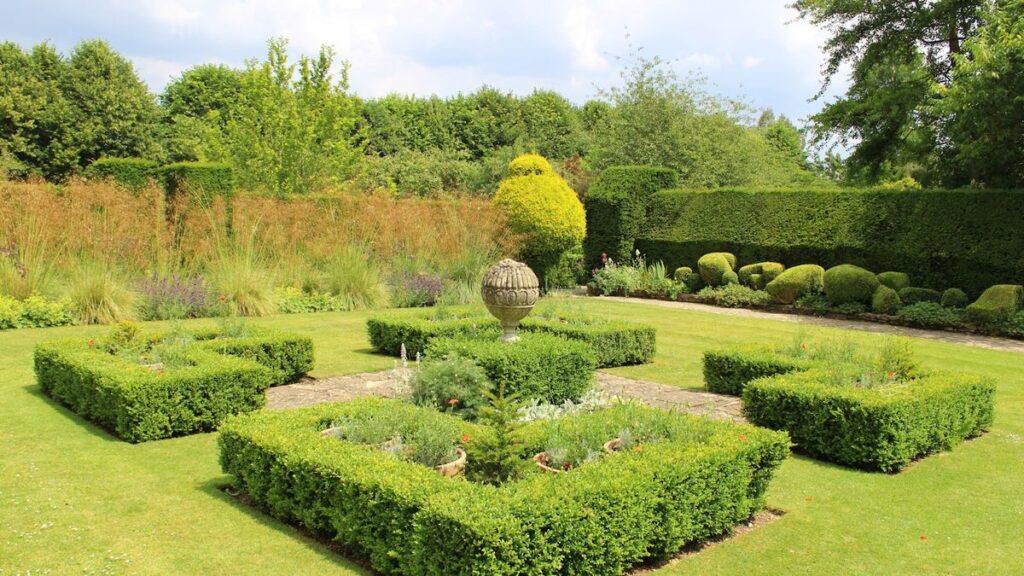
Hedge plants offer many other aesthetic possibilities, such as incredibly diverse textures, ranging from smooth and velvety to rough and spiky, adding depth and interest to any landscape. Similarly, their shapes vary widely, from serrated leaves to rounded forms, and their sizes can range from towering trees to delicate groundcovers.
Also, hedge plants bearing fragrant flowers and foliage create a captivating sensory experience. You can click here to explore eco-friendly options for gardeners to create beautiful and sustainable landscapes using easy-to-manage native plants.
- Using Hedge Plants as Natural Privacy Barriers
When designing a secluded retreat in your outdoor space, hedge plants are an exceptional choice for creating natural privacy barriers. However, identifying hedge plants with dense foliage and adaptability to various shapes and heights offers your garden or yard an unmatched level of privacy.
Hedge plants that grow thick and lush, like Green Beech Hedging Plants, form a continuous barrier that blocks sightlines from neighbors and passersby. The dense coverage provides a sense of enclosure and private seclusion, allowing you to enjoy your outdoor space without feeling exposed. Whether relaxing with family or hosting a gathering, a well-established hedge can ensure your activities remain private.
However, cultivating your plants to the desired heights helps cater to different privacy needs. For lower privacy borders, choose smaller hedge varieties or maintain them at a manageable height. Opt for taller hedge plants or allow them to grow to full height for more privacy. Also, proper spacing between plants is essential for healthy development and maintaining the desired level of coverage. The flexibility will enable you to create a tailored privacy solution that fits seamlessly into your garden design.
- Creating a Conducive Outdoor Environment
Hedge plants are invaluable for crafting a tranquil outdoor space by mitigating noise and buffering natural elements. Dense hedge screens absorb and deflect sound, reducing external noise and enhancing garden serenity. Also, strategically planted tall hedges are natural windbreaks, preventing wind damage and creating sheltered areas.
Planting tall hedges on your property’s south or west side helps form a natural shade canopy, which is particularly beneficial during the hotter months when you want to enjoy your outdoor space without being overwhelmed by the sun. Reducing noise and mitigating the impact of elements, including dust, creates a more pleasant and usable garden environment. However, remember to maintain your hedging plants with regular pruning and care to ensure they perform effectively.
- Supporting a Healthy Ecosystem in Your Garden
Hedge plants are vital to a healthy garden ecosystem, offering numerous environmental benefits. For example, they support essential habitats, offering shelter, food, and nesting sites for various wildlife such as birds, insects, and small mammals. Many hedge plants produce flowers that attract bees and butterflies, which are crucial for pollination.
Also, the roots of hedge plants help prevent soil erosion and improve soil structure, while the foliage can filter air pollutants, enhancing air quality. Hedges also contribute to microclimate regulation by providing shade, reducing temperature fluctuations, and creating a more hospitable environment for other plants. Opting for native plant species can amplify these ecological benefits, fostering a more sustainable and balanced garden ecosystem.
In conclusion, hedge plants are crucial in crafting a personalized and conducive garden space, offering privacy, aesthetic appeal, and ecological benefits. However, partnering with hedging experts is essential to identify the best plants for your needs and receive tailored management tips, ensuring a thriving and well-maintained garden environment.