Author

Elizabeth

Browsing

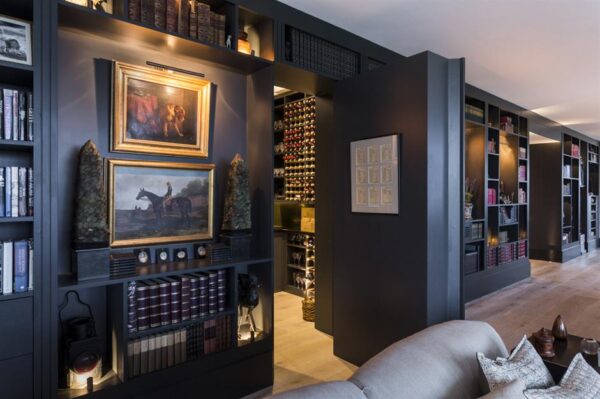
With the rise of crime rates and natural disasters, it’s never been more important to have a safe and secure space in case of an emergency. That’s where a panic room comes in. A panic room is a secure and fortified room within your home that is designed to protect you and your loved ones in the event of a home invasion, natural disaster, or other emergency. Here are some of the benefits of having a panic room:

1. Provides a Safe Haven

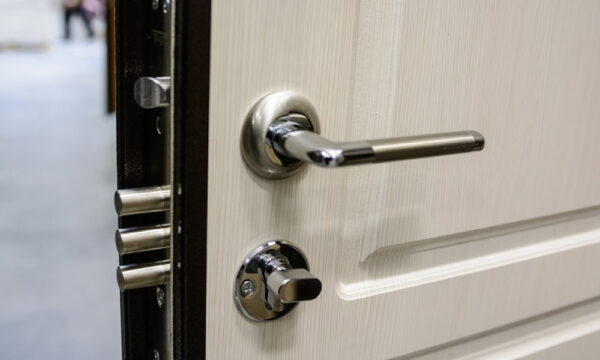
A panic room is a designated safe haven within your home. It’s a fortified room that is designed to keep intruders out and protect those inside. In the event of a home invasion, all occupants can quickly retreat to the panic room and lock themselves inside, making it nearly impossible for intruders to enter.

2. Protects Against Natural Disasters

Panic rooms are not just for protection against home invasions. They can also be designed to withstand natural disasters such as tornadoes, hurricanes, and earthquakes. By installing reinforced walls, ceilings, and floors, you can ensure that your panic room will remain standing even in the most severe weather conditions.

3. Provides Peace of Mind

Having a panic room can provide peace of mind knowing that you and your loved ones have a safe and secure space within your home. It’s a place where you can retreat to in case of an emergency and feel secure. Knowing that you have a plan in place can help alleviate anxiety and stress that can arise from the uncertainty of an emergency situation.

4. Can be Customized to Your Needs

Panic rooms can be customized to your specific needs and preferences. Depending on your budget and the level of security you require, you can choose to install features such as reinforced walls, bulletproof windows, and backup power sources. You can also equip your panic room with communication devices, such as phones or radios, to stay in contact with the outside world.

5. Adds Value to Your Home

Installing a panic room can add value to your home. It’s a unique feature that can set your home apart from others in the market. In addition, it can be a selling point for potential buyers who are looking for a home with added security features.

  • A panic room is a secure and safe space that provides protection and peace of mind in case of an emergency. It can be customized to your specific needs and preferences, and can add value to your home. Consider investing in a panic room for added security and protection for you and your loved ones.

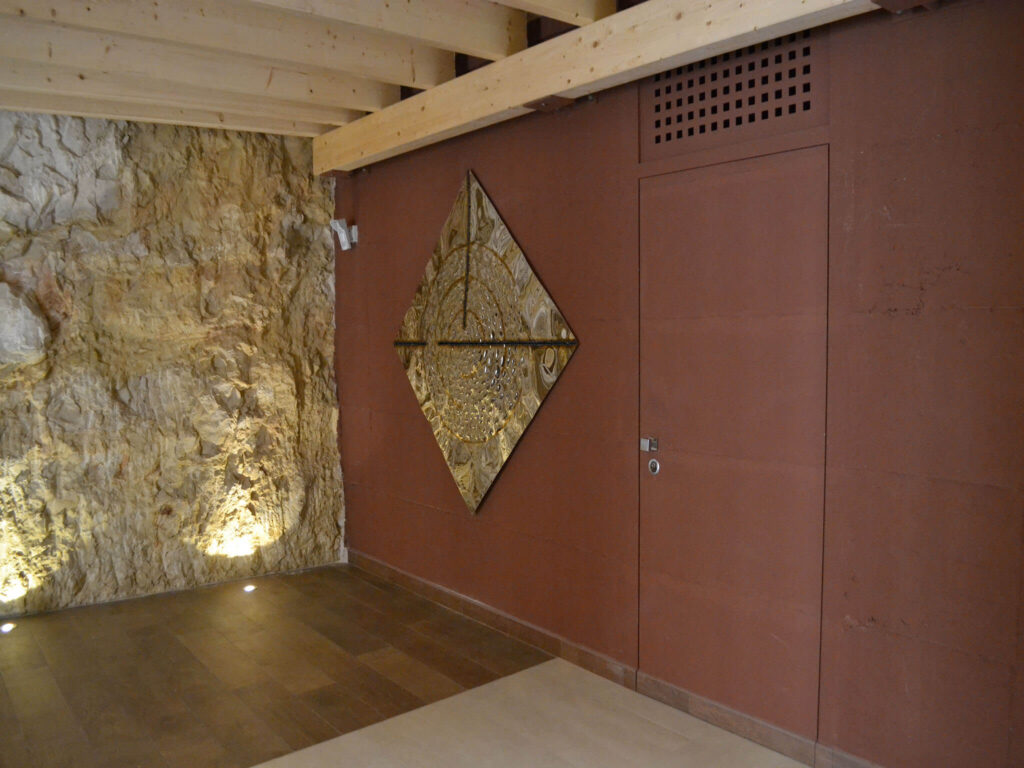
When it comes to home security, most people focus on installing alarms, cameras, and other high-tech devices to protect their homes. However, there is another way to secure your home that is often overlooked: camouflage. By concealing your security measures in your home decor, you can make them less visible to potential intruders and maintain the aesthetic of your home.

Here are some tips for effectively camouflaging your security measures:

  • Blend your security cameras into your decor
  • Hide your alarm system in plain sight
  • Use decorative window film to conceal window sensors
  • Disguise your motion sensors with plants or art
  • Conceal your safe with a piece of furniture

By following these tips, you can create a secure and beautiful home without sacrificing style for safety.

Blend your security cameras into your decor

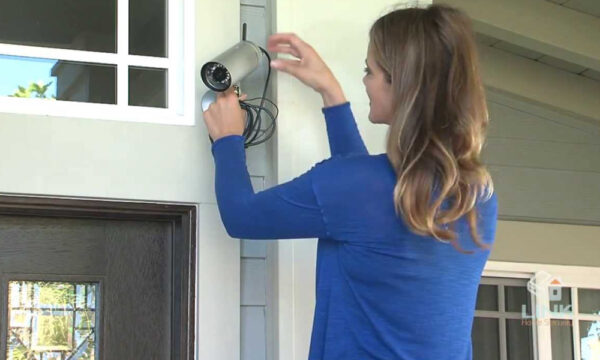
Security cameras are an excellent way to deter potential intruders and capture evidence in the event of a break-in. However, they can be unsightly and draw unwanted attention to your home. To blend your security cameras into your decor, consider painting them the same color as your walls or using decorative covers that match your decor. You can also place them in inconspicuous locations, such as behind plants or artwork.

Hide your alarm system in plain sight

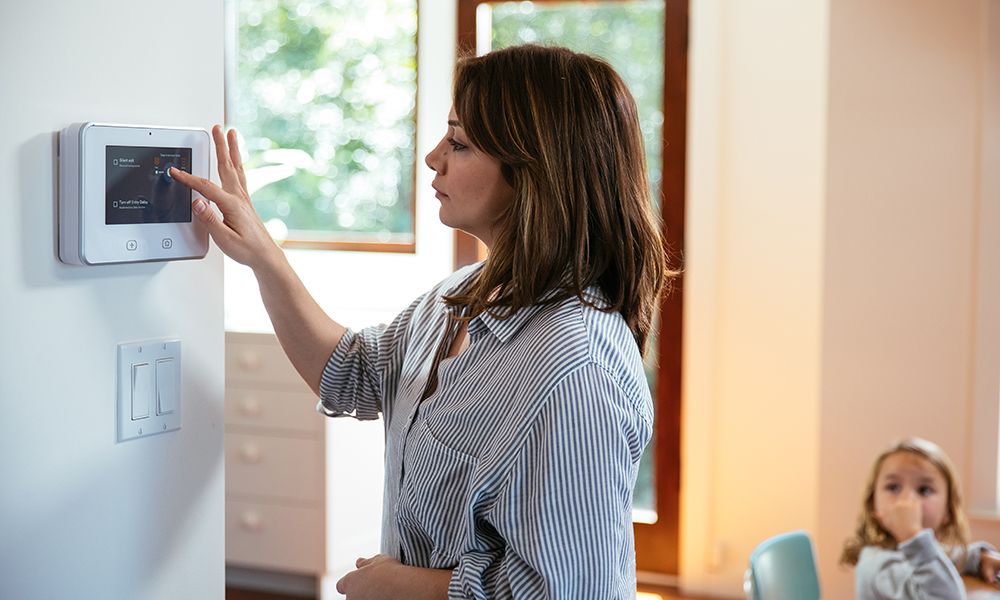
Your alarm system is one of the most important components of your home security. However, the control panel can be an eyesore and draw attention to itself. To hide your alarm system in plain sight, consider mounting it inside a picture frame or using a decorative cover that matches your decor.

Use decorative window film to conceal window sensors

Window sensors are an effective way to detect when a window has been opened or broken. However, they can be unsightly and draw attention to your windows. To conceal window sensors, consider using decorative window film that matches your decor. This film will also provide an additional layer of privacy and security.

Disguise your motion sensors with plants or art

Motion sensors are an essential component of your home security system. However, they can be bulky and draw attention to themselves. To disguise your motion sensors, consider placing them behind plants or artwork. This will not only conceal the sensors but also add to the aesthetic of your home.

Conceal your safe with a piece of furniture

A safe is an excellent way to protect your valuables, but it can be an eyesore and draw attention to itself. To conceal your safe, consider placing it inside a piece of furniture, such as a cabinet or armoire. This will not only hide the safe but also provide additional storage space.

Camouflaging your security measures in your home decor is an effective way to maintain the aesthetic of your home while keeping it safe and secure. By blending your security measures into your decor, you can create a beautiful and secure home that will give you peace of mind.

Home security has become a major concern for many homeowners in recent years. With the rise of smart technology, there are now more options than ever before to protect your home and loved ones. One of the most significant advances in home security is the development of smart security systems. These systems not only provide superior protection but also offer a range of other benefits. In this article, we will explore the advantages of a smart security system and why it’s worth considering for your home.

24/7 Monitoring

One of the most significant benefits of a smart security system is the 24/7 monitoring it provides. This means that your home is being watched day and night, even when you’re not there. If an alarm is triggered, the monitoring center is immediately alerted, and they can quickly assess the situation and take appropriate action. Whether it’s contacting the police, fire department, or simply checking in on your home, you can rest assured that your security is in good hands.

Remote Access

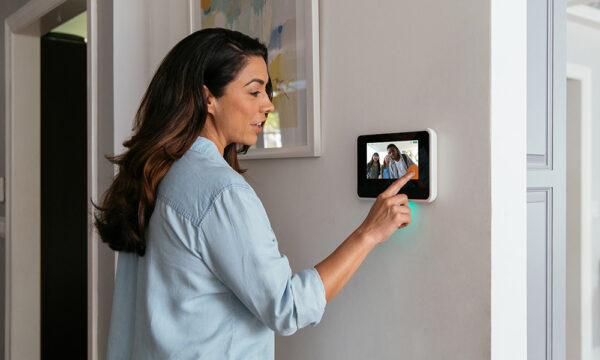
Another advantage of smart security systems is the ability to access and control your system remotely. With a smartphone or tablet, you can arm or disarm your system, view live footage from your cameras, and receive notifications if there’s any suspicious activity. This means you can check in on your home at any time, from anywhere in the world. It’s a great way to stay connected with your home and ensure that everything is running smoothly, even when you’re away.

Integration with Other Smart Devices

Smart security systems can also integrate with other smart devices in your home, such as smart locks, thermostats, and lights. This means that you can control all aspects of your home’s security and automation from a single app. For example, you can set your lights to turn on when your security system is triggered, or you can have your thermostat adjust to a specific temperature when you disarm your system. It’s a great way to make your home more efficient and secure.

Customizable Alerts

Smart security systems also offer customizable alerts, which means you can choose what notifications you receive and how you receive them. For example, you can receive an alert on your phone when someone enters your home, or you can receive an email when your system is armed or disarmed. You can also choose to receive alerts for specific events, such as when a window or door is opened. This allows you to stay informed about what’s happening in your home and take action if necessary.

Peace of Mind

Perhaps the most significant advantage of a smart security system is the peace of mind it provides. Knowing that your home is being monitored 24/7 and that you can access and control your system remotely can give you a sense of security and control. You can rest easy knowing that your home and loved ones are protected, no matter where you are.

  • 24/7 monitoring provides peace of mind
  • Remote access allows for easy control of your system
  • Integration with other smart devices makes your home more efficient and secure
  • Customizable alerts keep you informed about what’s happening in your home

A smart security system offers many advantages over traditional security systems. From 24/7 monitoring to remote access and integration with other smart devices, it’s a great way to take control of your home’s safety. If you’re looking for a way to protect your home and loved ones, consider investing in a smart security system today.

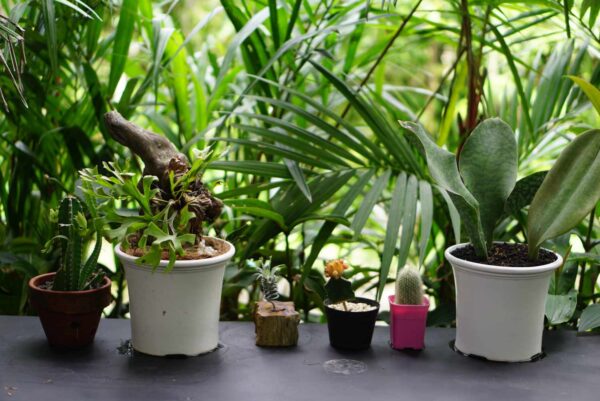
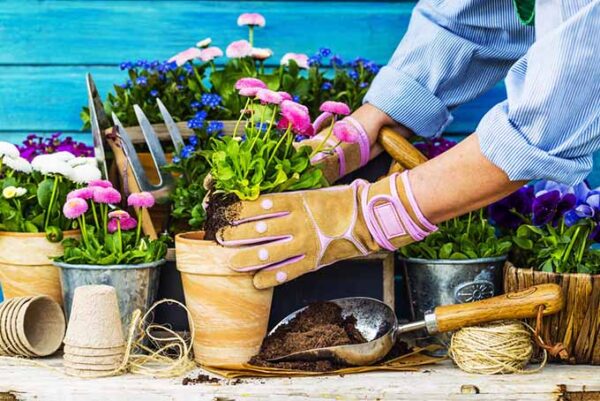
Gardening is a hobby that brings joy and relaxation to millions of people around the world. However, not everyone has access to a large outdoor space to grow their own plants. This is where container gardening comes in handy. Container gardening is the art of growing plants in pots, planters, and other containers. It is a great way to garden in small spaces, on balconies, patios, and even indoors.

Choosing the Right Container

The first step in container gardening is choosing the right container. The container you choose should be the right size for the plant you want to grow. Small plants like herbs can be grown in small containers, while larger plants like tomatoes need bigger containers. The container should also have drainage holes to allow excess water to drain out. If the container does not have drainage holes, you can drill some in the bottom.

Choosing the Right Soil

The soil you use in your container is also important. Regular garden soil is not recommended for container gardening because it can become compacted and restrict the plant’s roots from growing. Instead, use a high-quality potting mix that is specifically designed for container gardening. These mixes are lighter and fluffier than regular soil, allowing for better drainage and root growth.

Choosing the Right Plants

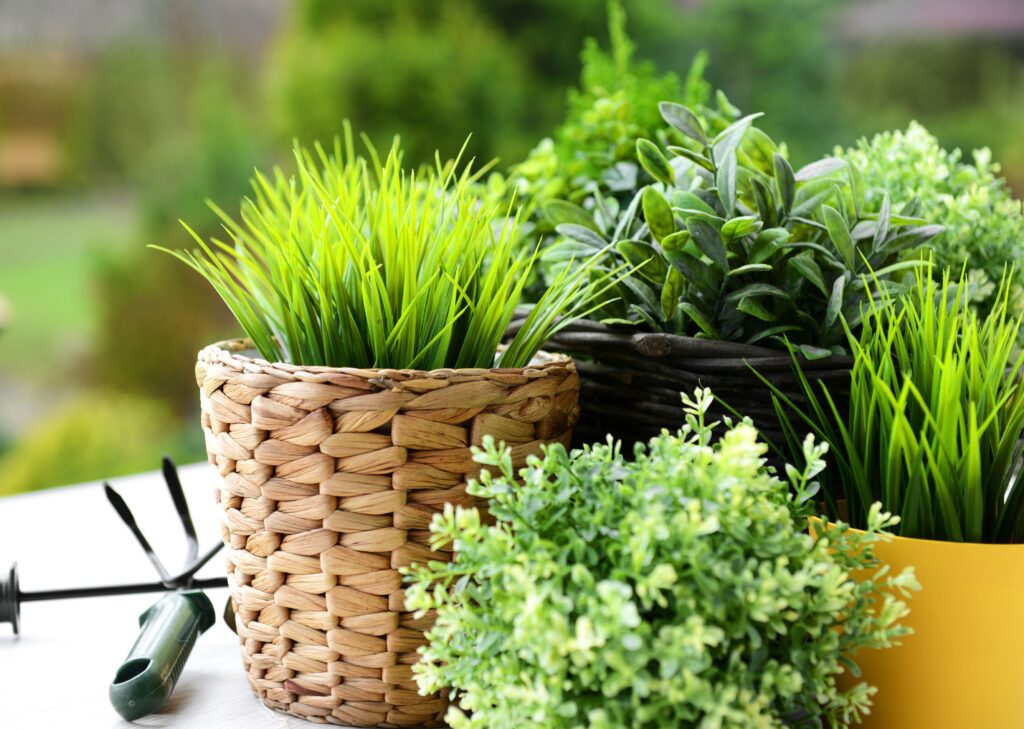
Not all plants are suitable for container gardening. When choosing plants, consider their size, growth habit, and light requirements. Plants that are too big or have deep roots may not be suitable for containers. Plants that require full sun may not thrive in a shady location. Choose plants that are well-suited for container gardening such as herbs, lettuce, peppers, and cherry tomatoes.

Caring for Container Plants

Container plants require regular watering and fertilizing. The soil in containers tends to dry out faster than soil in the ground, so it’s important to water your plants regularly. However, be careful not to overwater as this can lead to root rot. Fertilize your plants with a balanced fertilizer every few weeks to provide them with the nutrients they need to grow.

Container gardening is a great way to enjoy gardening even if you don’t have a lot of outdoor space. With the right container, soil, and plants, you can create a beautiful garden on your balcony, patio, or even indoors. Remember to choose the right container and soil, choose the right plants, and care for your plants regularly to ensure they thrive.

Cottage gardening is a unique and delightful style of gardening that has been around for centuries. This gardening style is all about mixing different types of plants together in a naturalistic and relaxed way. The focus is on creating a garden that looks like it has been there for years, with a mix of vibrant flowers, aromatic herbs and fresh vegetables.

The Origin of Cottage Gardening

The origins of cottage gardening can be traced back to the 14th century in England. The gardens were typically small and surrounded the cottages of peasants and farmers. These gardens were a mixture of vegetables, herbs and flowers, and were often used for both practical and decorative purposes.

Throughout the centuries, cottage gardening has remained popular in England and has spread to other parts of the world. It is now a popular style of gardening in many countries, including the United States.

The Characteristics of Cottage Gardening

Cottage gardening is all about creating a relaxed and informal look. The focus is on mixing different types of plants together to create a naturalistic feel. The garden should look like it has been there for years and should be a reflection of the gardener’s personality.

One of the key characteristics of cottage gardening is the use of vibrant flowers. These can be mixed together in a variety of colors and shapes to create a stunning display. Some popular flowers for cottage gardens include roses, peonies, and delphiniums.

Aromatic herbs are also a common feature of cottage gardens. These can be used for cooking, medicinal purposes or just for their pleasant scent. Some popular herbs for cottage gardens include lavender, thyme and rosemary.

Finally, fresh vegetables are often grown in cottage gardens. These can be mixed in with the flowers and herbs or grown separately in a vegetable patch. Some popular vegetables for cottage gardens include tomatoes, beans and lettuce.

Tips for Creating a Cottage Garden

  • Choose a variety of plants with different heights, colors and textures.
  • Use natural materials such as stone or wood to create paths and borders.
  • Plant flowers in groups of odd numbers for a natural look.
  • Choose plants that are suited to your climate and soil type.
  • Consider using heirloom varieties of plants for a more authentic feel.

Overall, cottage gardening is a delightful and charming style of gardening that can be enjoyed by gardeners of all levels of experience. By mixing together vibrant flowers, aromatic herbs and fresh vegetables, you can create a beautiful and naturalistic garden that will be the envy of your neighbors.

Have you ever considered gardening in a raised bed? Raised garden beds are becoming increasingly popular among gardeners due to their numerous benefits. In this article, we will discuss the benefits of raised garden beds, particularly their ability to improve soil quality and reduce strain on the gardener’s body.

Improving Soil Quality

One of the main advantages of raised garden beds is that they allow you to have more control over the soil quality. With raised beds, you can choose the type of soil that is best suited for your plants and garden. You can also add organic matter, compost, and other soil amendments to improve the soil quality. Raised beds are particularly useful if your soil is heavy and clay-like, which can make it difficult for plants to grow.

Another benefit of raised garden beds is that they are easier to maintain than traditional gardens. Since raised beds are elevated, you don’t have to worry about soil compaction from foot traffic or heavy equipment. This means that the soil stays loose and aerated, which is essential for healthy plant growth. Raised beds also drain better than traditional gardens, which helps prevent waterlogged soil and root rot.

Reducing Strain

Gardening can be a physically demanding activity, especially if you have to bend down or kneel for extended periods. Raised garden beds can help reduce the strain on your body by elevating the garden to a more comfortable height. This means that you can work in your garden without having to bend down or kneel, which can be particularly beneficial for older gardeners or those with mobility issues.

Another advantage of raised garden beds is that they are easier to access. Since the garden is elevated, you can easily reach all areas of the garden without having to walk on the soil or bend down. This makes it easier to plant, weed, water, and harvest your crops without putting stress on your back or knees.

Raised garden beds offer numerous benefits, particularly when it comes to improving soil quality and reducing strain on the gardener’s body. If you’re interested in starting a raised bed garden, there are many options available, from DIY raised beds made from wood or cinder blocks to pre-made raised bed kits. With a little bit of planning and preparation, you can enjoy the many benefits of raised bed gardening and grow healthy, vibrant plants.

Flower arranging is an art form that has been around for centuries. It involves arranging flowers and other decorative elements in a way that is visually pleasing and expresses a certain mood or emotion. With some practice and a little creativity, you can create beautiful and unique floral arrangements using flowers from your own garden.

Step 1: Selecting Your Flowers

The first step in creating a beautiful floral arrangement is selecting the right flowers. Choose flowers that are in season and that complement each other in terms of color, texture, and shape. Some great options for flower arrangements include roses, peonies, dahlias, hydrangeas, and lilies.

If you’re not sure which flowers to choose, take a walk around your garden and see what catches your eye. You can also do some research online or in floral design books for inspiration.

Step 2: Choosing Your Container

The container you choose for your floral arrangement can also make a big impact on its overall look and feel. Consider the size and shape of your flowers when selecting your container. A tall vase may be better suited for long-stemmed flowers like roses, while a wide, shallow bowl may work better for shorter, more compact flowers like hydrangeas.

You can also get creative with your container choices. Consider using a vintage teapot, a mason jar, or even a hollowed-out pumpkin or gourd as a unique and unexpected vase.

Step 3: Preparing Your Flowers

Before you start arranging your flowers, it’s important to prepare them properly. Remove any leaves or thorns that will be below the water line in your vase, as they can cause bacteria to grow and shorten the life of your flowers. Cut each stem at a 45-degree angle to help them absorb water more easily.

Step 4: Creating Your Arrangement

Now it’s time to start arranging your flowers! Start with your focal flowers, which are typically the largest and most eye-catching blooms in your arrangement. Arrange them in the center of your container, and then add your secondary flowers around them to create a balanced look.

Fill in any gaps with smaller filler flowers or greenery, and be sure to vary the heights and angles of your flowers to create depth and interest. Don’t be afraid to play around with different arrangements until you find one that you love.

Step 5: Caring for Your Arrangement

Once you’ve created your beautiful floral arrangement, it’s important to care for it properly to ensure it lasts as long as possible. Change the water in your vase every few days, and trim the stems a bit each time to help them absorb water more easily. Keep your arrangement out of direct sunlight and away from heat sources like radiators or vents.

With a little bit of creativity and some practice, you can create beautiful and unique floral arrangements using flowers from your own garden. Whether you’re creating a centerpiece for a special occasion or simply adding some beauty to your home, flower arranging is a rewarding and enjoyable hobby that anyone can learn.

There’s nothing quite like the feeling of stepping into a steam shower after a long day. Not only is it a luxurious experience, but it’s also a great way to promote relaxation and improve your overall health. Let’s take a closer look at the many benefits of indulging in a steam shower.

Relaxation

One of the most noticeable benefits of a steam shower is the relaxation it provides. The warm, moist air can help to ease muscle tension and reduce stress levels. It’s like having your own personal spa in the comfort of your own home. Many people find that a steam shower is the perfect way to unwind after a long day at work or a tough workout.

Improved Skin Health

The steam from a steam shower can help to open up your pores, allowing dirt and impurities to be easily removed. This can help to improve the overall health and appearance of your skin. Additionally, the moist air can help to hydrate your skin, leaving it feeling soft and supple.

Respiratory Health

If you suffer from respiratory issues such as allergies or asthma, a steam shower can be extremely beneficial. The warm, moist air can help to open up your airways, making it easier to breathe. Additionally, the steam can help to soothe irritated nasal passages and reduce congestion.

Detoxification

A steam shower can also help to promote detoxification. When you sweat, your body releases toxins that can build up over time. The steam from a steam shower can help to promote sweating, which can help to flush out these toxins. This can leave you feeling refreshed and rejuvenated.

Improved Circulation

The heat from a steam shower can help to improve your circulation. This can help to promote healing and reduce inflammation throughout your body. Additionally, improved circulation can help to promote healthy skin, hair, and nails.

Final Thoughts

If you’re looking for a luxurious way to promote relaxation and improve your overall health, a steam shower is definitely worth considering. From improved skin health to better respiratory function, the benefits of a steam shower are numerous. So why not indulge in a little luxury and treat yourself to a steam shower today?

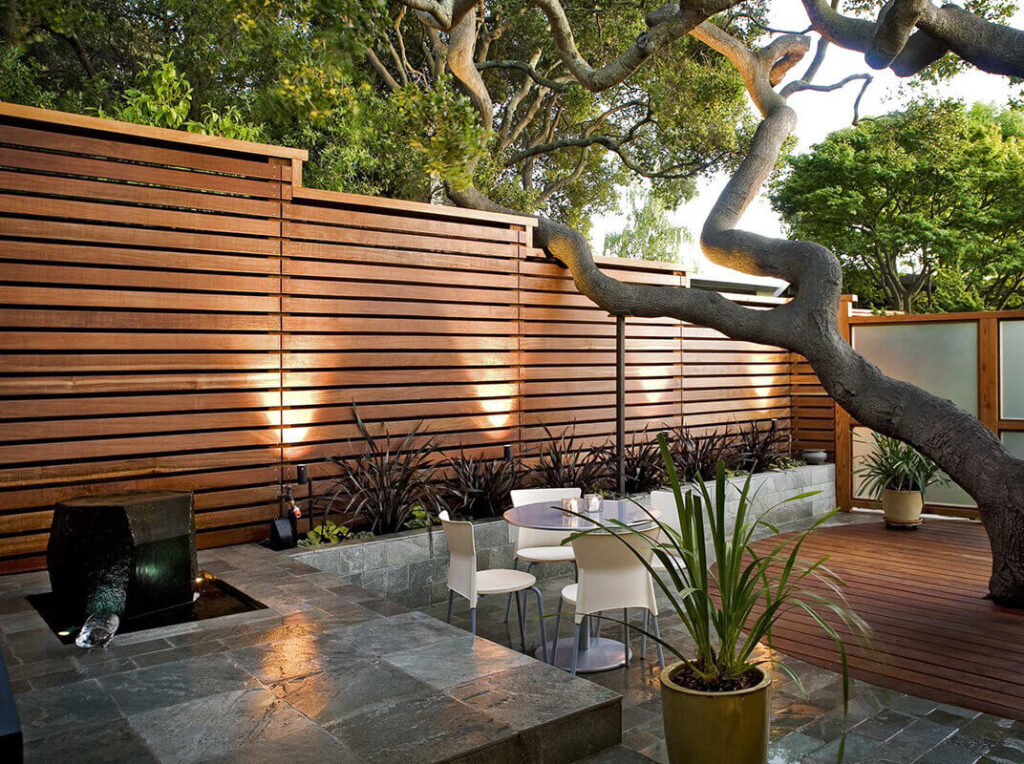
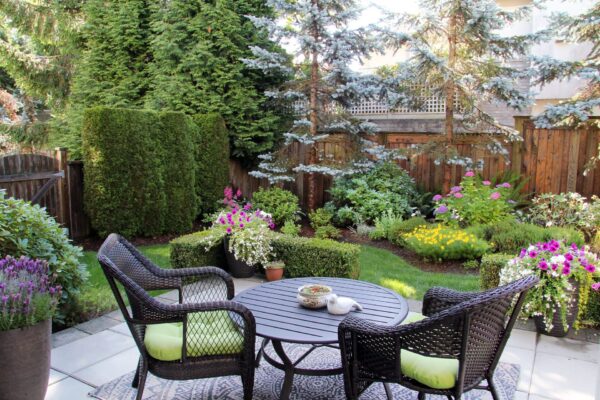
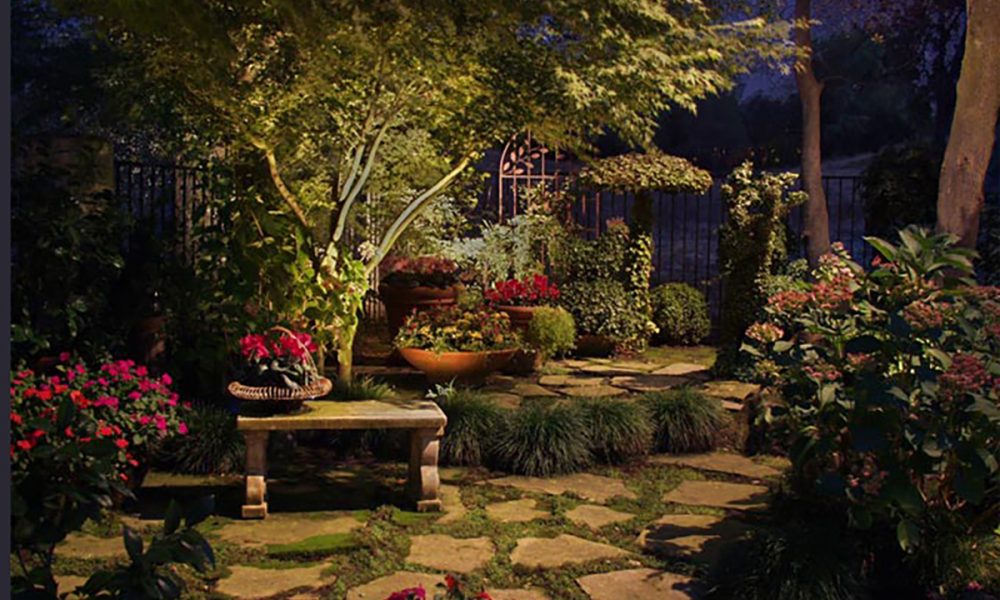
Do you want to transform your outdoor space into a serene oasis where you can relax and unwind after a long day? With the right design and planning, you can create a garden oasis that suits your style and meets your needs. Here are some tips to help you create your own haven of peace and tranquility.

Assess Your Space

The first step in designing your garden oasis is to assess your space. Look at the size and shape of your yard, as well as the surrounding architecture and landscape. Consider the amount of natural light, privacy, and wind patterns in the area. Make a list of what you want to include in your outdoor space, such as seating areas, water features, plants, and lighting.

Create a Focal Point

A focal point is the centerpiece of your garden oasis. It can be a water feature, a statue, a large plant, or a piece of outdoor furniture. Choose something that reflects your personality and style, and that complements the overall design of your outdoor space.

Add Plants and Greenery

Plants and greenery are essential elements of any garden oasis. They add color, texture, and fragrance to the space, and they help to create a natural and soothing environment. Choose plants that are suitable for your climate and that thrive in the amount of sunlight and shade in your outdoor space. Incorporate a mix of perennials and annuals, and consider adding herbs or vegetables to your garden oasis.

Create Seating Areas

Seating areas are important for relaxing and entertaining in your garden oasis. Create comfortable seating areas that offer shade and shelter from the elements. Consider adding a hammock, a swing, or a daybed for ultimate relaxation. Choose outdoor furniture that is durable and weather-resistant, and that complements the overall design of your outdoor space.

Add Water Features

Water features are a great way to create a calming and soothing environment in your garden oasis. Consider adding a fountain, a pond, or a waterfall to your outdoor space. The sound of running water can help to mask unwanted noise and create a peaceful atmosphere.


Incorporate Lighting

Lighting is important for creating a relaxing and inviting atmosphere in your garden oasis. Consider adding outdoor lighting that illuminates your seating areas, walkways, and focal points. Choose lighting fixtures that are energy-efficient and that complement the overall design of your outdoor space.

Creating a garden oasis is a great way to transform your outdoor space into a relaxing and calming retreat. By assessing your space, creating a focal point, adding plants and greenery, creating seating areas, incorporating water features, and incorporating lighting, you can design a garden oasis that suits your style and meets your needs.

A freestanding shower is a beautiful and practical addition to any bathroom. Unlike traditional built-in showers, freestanding showers offer versatility and customization options that can transform your bathroom into a relaxing oasis. Whether you are designing a new bathroom or renovating an existing one, a freestanding shower is a worthwhile investment that can enhance the beauty and functionality of your space.

Benefits of a Freestanding Shower

  • Design Flexibility: One of the biggest benefits of a freestanding shower is the design flexibility it offers. You can choose from a wide range of styles, shapes, and sizes to fit your specific needs and preferences. Whether you prefer a sleek and modern look or a more traditional style, there is a freestanding shower that will meet your design goals.
  • Space-Saving: Freestanding showers are ideal for small bathrooms as they take up minimal floor space. They can be installed in a corner or against a wall, leaving more room for other bathroom fixtures.
  • Easy Installation: Freestanding showers are relatively easy to install, and they do not require any major construction or plumbing work. This means that you can enjoy a new shower in your bathroom without disrupting your daily routine.
  • Customization: Freestanding showers offer a wide range of customization options, including showerheads, faucets, and finishes. You can choose from a variety of materials, such as glass, acrylic, and tile, to create a shower that reflects your personal style.
  • Accessibility: For those with mobility issues, freestanding showers can be designed with accessibility in mind. You can install grab bars or a built-in seat to make showering safer and more comfortable.

Design Options

When it comes to designing a freestanding shower, the options are endless. Here are some design options to consider:

  • Glass Enclosures: Glass enclosures are a popular choice for freestanding showers as they create a sleek and modern look. They can be customized with different types of glass, such as clear, frosted, or textured, to add privacy and style.
  • A Tile Surround: A tile surround is another popular option as it allows you to create a custom look using a variety of tile options. You can mix and match different sizes, colors, and patterns to create a unique and stylish shower.
  • A Built-in Seat: A built-in seat is a practical addition to a freestanding shower, especially for those with mobility issues. It can also add a spa-like feel to your shower experience.
  • Showerheads and Faucets: Choose from a range of showerheads and faucets to customize your shower experience. From rain shower heads to handheld sprayers, there are many options to choose from.


Maintenance and Care

Freestanding showers are relatively easy to maintain and care for. Here are some tips:

  • Clean Regularly: Clean your shower regularly to prevent soap scum and mildew buildup. Use a non-abrasive cleaner and a soft cloth to avoid scratching the surface of your shower.
  • Seal Grout: If you have a tile surround, make sure to seal the grout regularly to prevent moisture from seeping in.
  • Check for Leaks: Check your shower regularly for leaks or water damage. If you notice any issues, address them as soon as possible to prevent further damage.

A freestanding shower is a beautiful and practical addition to any bathroom. With its design flexibility, space-saving features, and customization options, a freestanding shower can transform your bathroom into a relaxing oasis. Whether you are looking to renovate your bathroom or design a new one, a freestanding shower is a worthwhile investment that will enhance the beauty and functionality of your space.