
Author

Elizabeth

Browsing

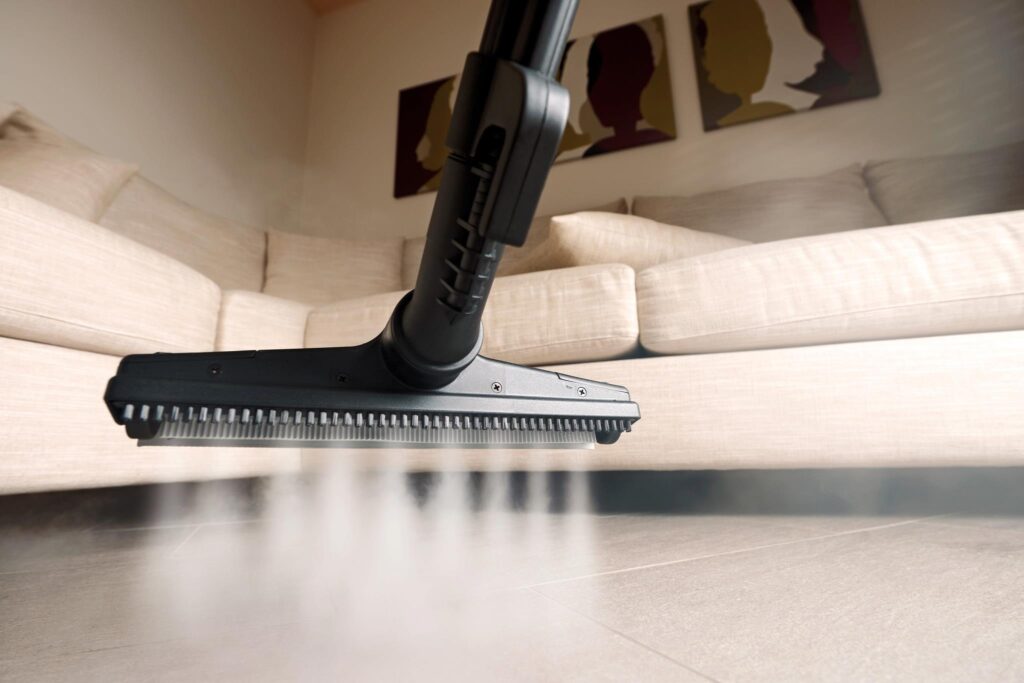
Steam cleaning is a safe and effective way to deep clean and sanitize surfaces without the use of harsh chemicals. It uses high-temperature steam to kill bacteria, viruses, and other allergens that can cause health problems. Here are some of the benefits of steam cleaning:

1. Chemical-free cleaning

Unlike traditional cleaning methods that require the use of chemicals, steam cleaning uses only water vapor. This means that there are no harmful chemicals to worry about, making it an eco-friendly and safe option for households with children and pets.

2. Kills germs and bacteria

Steam cleaning is an effective way to kill germs and bacteria on surfaces. The high temperature of the steam kills up to 99.9% of germs and bacteria, making it an ideal cleaning method for households with young children and pets.

3. Removes allergens

Steam cleaning is an ideal way to remove allergens from surfaces. It can effectively remove dust mites, mold, and other allergens that can cause respiratory problems. This makes it an excellent option for people with allergies or asthma.

4. Saves time and money

Steam cleaning can save you time and money in the long run. Since it only requires water, there is no need to buy expensive cleaning products. Additionally, steam cleaning can be done quickly and efficiently, making it a time-saving option for busy households.

5. Versatile cleaning option

Steam cleaning is a versatile cleaning option that can be used on a variety of surfaces. It can be used on floors, carpets, upholstery, and even windows. This makes it an all-in-one cleaning solution that can save you the hassle of buying multiple cleaning products.

6. Environmentally-friendly option

Lastly, steam cleaning is an environmentally-friendly option. Since it does not require the use of harmful chemicals, it is a safe and sustainable way to clean your home. Additionally, it can help reduce your carbon footprint by eliminating the need for multiple cleaning products.

  • Overall, steam cleaning is a safe, effective, and eco-friendly way to deep clean and sanitize your home without the use of harsh chemicals.
  • It kills germs and bacteria, removes allergens, saves time and money, and is a versatile cleaning option that can be used on a variety of surfaces.
  • Consider incorporating steam cleaning into your cleaning routine to achieve a healthier and cleaner living space.

Keeping your home clean and organized can be a daunting task, but with a well-planned cleaning schedule, it can be much easier to manage. Here are some tips for creating a cleaning schedule that will help you keep your home looking its best:

1. Assess Your Cleaning Needs

The first step in creating a cleaning schedule is to assess your cleaning needs. Take a good look around your home and make a list of all the cleaning tasks that need to be done on a regular basis. This may include tasks like dusting, vacuuming, mopping, and cleaning bathrooms and kitchens.

2. Determine How Often Each Task Needs to be Done

Once you have a list of all the cleaning tasks that need to be done, determine how often each task needs to be done. Some tasks like vacuuming may need to be done daily, while others like cleaning the oven may only need to be done once a month.

3. Create a Cleaning Schedule

Using a calendar or a cleaning schedule template, create a schedule that outlines when each cleaning task needs to be done. Be realistic about the time you have available and the amount of work that needs to be done. Don’t overload yourself with too many tasks in one day or week.

4. Stick to Your Schedule

The key to a successful cleaning schedule is to stick to it. Make cleaning a priority in your daily routine and try to complete your tasks on the day they are scheduled. This will help you stay on top of your cleaning and prevent tasks from piling up and becoming overwhelming.

5. Be Flexible

While it’s important to stick to your cleaning schedule, it’s also important to be flexible. Life happens, and there may be days or weeks when you are unable to complete all of your tasks. Don’t beat yourself up over it, simply adjust your schedule and try to catch up when you can.

6. Get the Whole Family Involved

Cleaning shouldn’t be a one-person job. Get the whole family involved in the cleaning process. Assign tasks to each family member and make cleaning a team effort. This will not only make cleaning faster and easier, but it will also teach your children the importance of taking care of their home.

7. Reward Yourself

Cleaning can be a thankless task, so be sure to reward yourself for a job well done. Treat yourself to a favorite meal, a movie, or some other small indulgence to celebrate your hard work and dedication to keeping your home clean and organized.

Creating a cleaning schedule may seem like a daunting task, but with some planning and organization, it can be a simple and effective way to keep your home looking its best. Remember to be realistic, flexible, and get the whole family involved in the process. With a little effort, you can have a clean and organized home that you can be proud of.

Many people are turning to natural cleaning products for a variety of reasons. Not only are they safe and eco-friendly, but they are also effective at cleaning your home. In this article, we will discuss the benefits of using natural cleaning products.

Safe for Your Family and Pets

Traditional cleaning products contain harsh chemicals that can be harmful to your family and pets. These chemicals can cause skin irritation, respiratory problems, and even more serious health problems such as cancer. Natural cleaning products, on the other hand, are made from natural ingredients such as vinegar, baking soda, and essential oils. These ingredients are safe to use around your family and pets and are not harmful if accidentally ingested.

Eco-Friendly

Traditional cleaning products are not only harmful to your family and pets, but they are also harmful to the environment. When you use these products, they release harmful chemicals into the air and water. Natural cleaning products, on the other hand, are eco-friendly. They do not contain any harmful chemicals and they break down naturally in the environment. This means that they are safe to use and they do not harm the planet.

Effective at Cleaning

Many people assume that natural cleaning products are not as effective as traditional cleaning products. This is simply not true. Natural cleaning products are just as effective at cleaning your home as traditional cleaning products. In fact, many natural cleaning products are better at removing dirt and grime than traditional cleaning products. For example, vinegar is a natural disinfectant and can be used to clean almost any surface in your home.

Cost-Effective

One of the biggest benefits of using natural cleaning products is that they are cost-effective. Traditional cleaning products can be expensive, especially if you have to buy them frequently. Natural cleaning products, on the other hand, are often cheaper and can be made at home using ingredients that you already have in your pantry.

Overall, there are many benefits to using natural cleaning products. They are safe for your family and pets, eco-friendly, effective at cleaning, and cost-effective. If you are looking for a safer and more natural way to clean your home, consider switching to natural cleaning products.

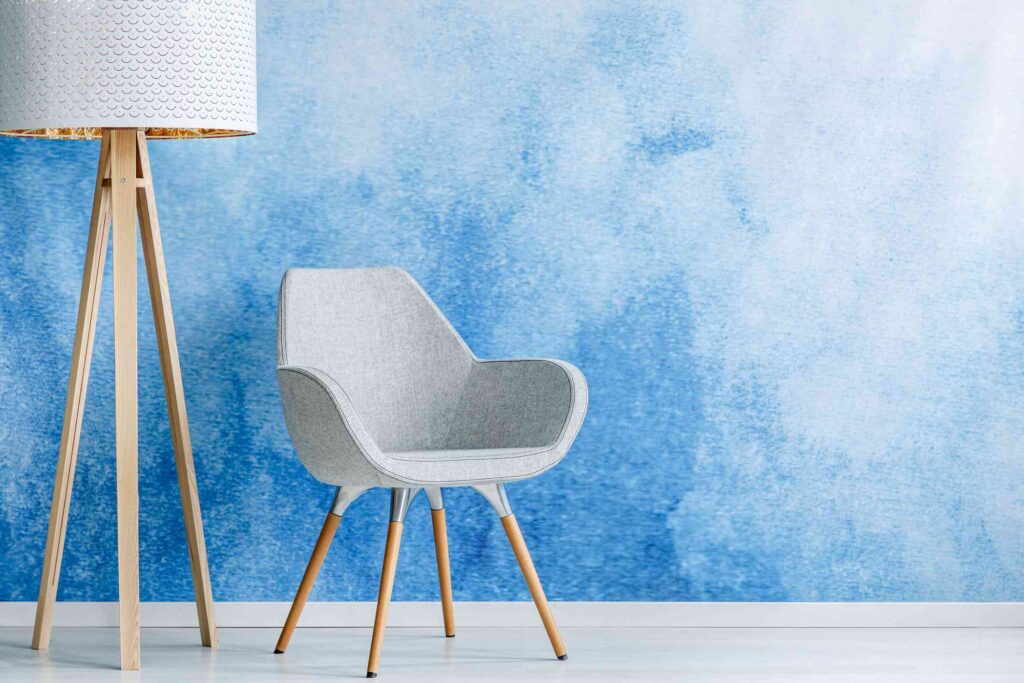
When it comes to home decor, adding a touch of uniqueness is always a great idea. One way to do this is by incorporating ombre walls into your interior design. Ombre walls are a gradual gradient of color that can add a unique touch to any room in your home. Whether you want a bold statement or a subtle pop of color, ombre walls can add charm and character to your living space.

What Are Ombre Walls?

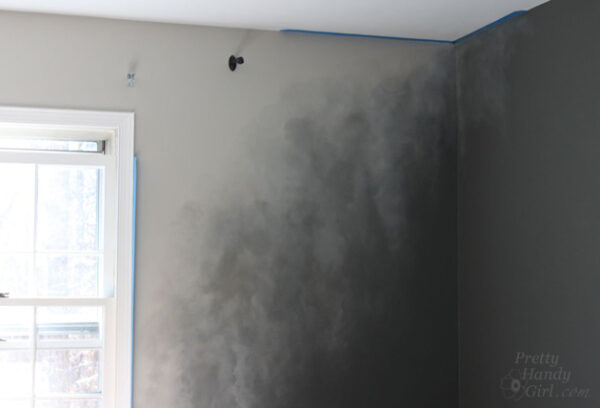
Ombre walls are a type of accent wall that features a gradual blend of colors. The colors can be subtle, such as a light blue to white gradient, or bold, such as a bright red to orange gradient. The effect is achieved by painting the wall in a series of shades that blend seamlessly into each other. The result is a wall that appears to have depth and dimension, adding visual interest to any room.

Choosing the Right Colors

Choosing the right colors for your ombre wall is important. You want to choose colors that complement each other and the overall color scheme of your room. If you’re not sure where to start, consider using a color wheel to help you choose complementary colors. You can also choose colors that are already in your room, such as the color of your furniture or accessories.

How to Create Ombre Walls

Creating ombre walls is a fairly simple process that can be done by anyone with a little bit of patience and a steady hand. Here’s how to do it:

  • Clean the wall you want to paint and make any necessary repairs.
  • Choose your colors and purchase the appropriate amount of paint.
  • Divide the wall into sections and mark off each section with painter’s tape.
  • Start at the top of the wall and paint the first section with the lightest color.
  • Add a little bit of the second color to the first color and paint the next section.
  • Continue adding a little bit of the next color to each section until you reach the bottom of the wall.
  • Make sure to blend each section as you go to avoid any harsh lines.
  • Remove the painter’s tape and touch up any areas as needed.

The Benefits of Ombre Walls

There are several benefits to incorporating ombre walls into your home decor. First, ombre walls can add a unique touch to any room. They can also make a bold statement or provide a subtle pop of color, depending on the colors you choose. Ombre walls can also add depth and dimension to a room, making it appear larger and more spacious. Additionally, ombre walls are a great way to update a room without having to completely redecorate.

Ombre walls are a great way to add charm and character to any room in your home. They can provide a bold statement or a subtle pop of color, depending on the colors you choose. Creating ombre walls is a simple process that can be done by anyone, and the benefits are many. So why not add a touch of uniqueness to your home decor with ombre walls?

Are you tired of the same old boring paint on your walls? Do you want to add a touch of glamour and sophistication to your home decor? Look no further than metallic paints!

What are Metallic Paints?

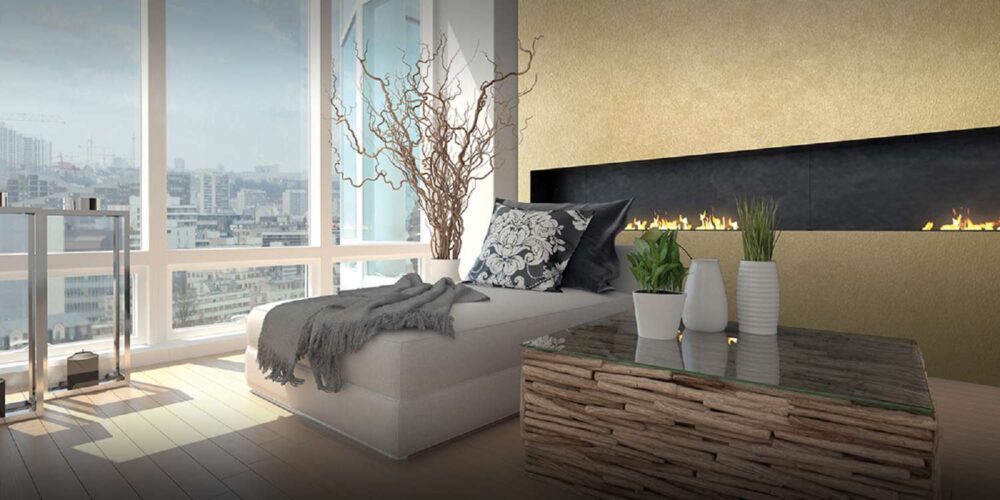
Metallic paints are special types of paint that contain metallic pigments, giving them a unique shine and reflective quality. They come in a variety of colors, ranging from golds and silvers to coppers and bronzes, and can be used on both interior and exterior walls.

Why Choose Metallic Paints?

One of the biggest advantages of metallic paints is their ability to add depth and dimension to any space. The metallic pigments in the paint catch the light and reflect it, creating a dynamic and eye-catching effect. This makes them perfect for accent walls or feature walls that you want to draw attention to.

Another great thing about metallic paints is that they are incredibly versatile. They can be used in any room of the house, from the living room to the bedroom to the bathroom. They can also be used on a variety of surfaces, including drywall, plaster, wood, and metal.

How to Use Metallic Paints

Using metallic paints is relatively easy, but there are a few things you should keep in mind:

  • Prep the surface: Make sure the surface you are painting is clean, dry, and free of any debris or imperfections.
  • Choose the right tools: Metallic paints can be applied with a brush, roller, or sprayer, depending on your preference. Just make sure you choose the right tool for the job.
  • Apply multiple coats: Metallic paints often require multiple coats to achieve the desired effect. Follow the manufacturer’s instructions for best results.
  • Experiment with techniques: Metallic paints can be layered, blended, or even stenciled to create unique and personalized effects. Don’t be afraid to experiment!

Tips for Decorating with Metallic Paints

Here are a few tips for incorporating metallic paints into your home decor:

  • Pair metallic paints with neutral colors: Metallic paints can be quite bold, so it’s best to pair them with neutral colors like white, beige, or gray. This will help balance out the look and prevent it from becoming too overwhelming.
  • Use metallic paints to highlight architectural features: Metallic paints can be used to draw attention to architectural features like crown molding, trim, or wainscoting. This can create a dramatic and sophisticated look.
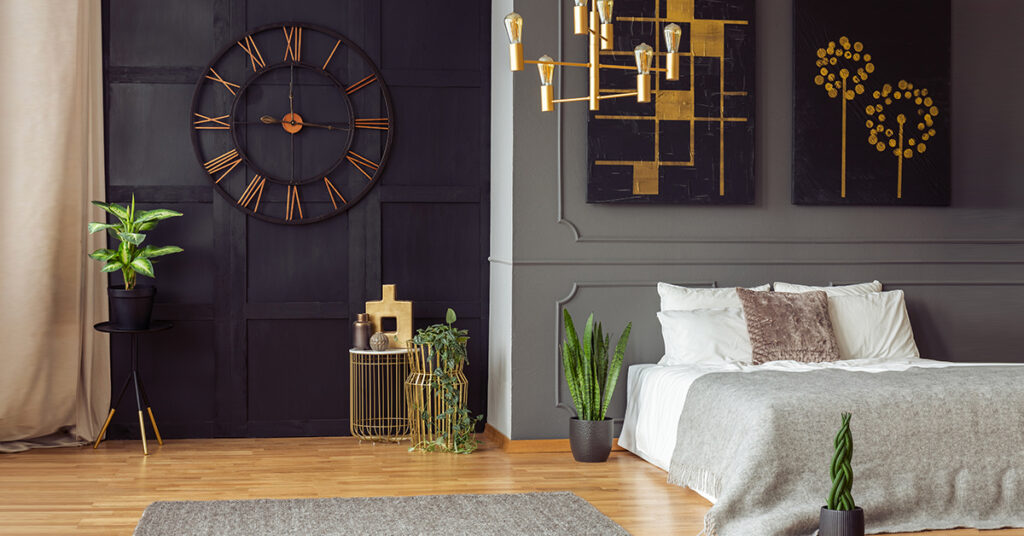
  • Accessorize with metallic accents: If you’re not ready to commit to a full wall of metallic paint, try incorporating metallic accents like picture frames, lamps, or throw pillows into your decor. This can help tie the look together without being too overpowering.

Metallic paints are a great way to add some glamour and sophistication to your home decor. Whether you use them to create an accent wall or simply as a decorative accent, they are sure to impress. So why not give them a try?

When it comes to wall finishes, there are many options to choose from. One popular choice is a matte finish, which provides a subtle and elegant look that can add depth and texture to any room. Here are some of the benefits of choosing a matte finish for your walls:

1. Hides Imperfections

One of the biggest advantages of a matte finish is that it can hide imperfections on your walls. Matte paint has a non-reflective surface, which means it won’t highlight any bumps, dents, or cracks on your walls. This makes it a great choice for older homes or walls that have been damaged over time.

2. Creates a Softer Look

Matte finishes have a soft and velvety appearance that can create a warm and inviting atmosphere in any room. Unlike glossy finishes, which can be too shiny and reflective, matte finishes provide a subtle and understated look that can be more calming and relaxing.

3. Can Make Colors Look Richer

If you’re looking to make your wall colors stand out, a matte finish can help. Matte paint absorbs light, which can make colors look richer and more vibrant. This is especially true for darker colors, which can appear more intense with a matte finish.

4. Low Maintenance

Matte finishes are also low maintenance. Because they don’t reflect light, they don’t show dirt or fingerprints as easily as glossy finishes do. This makes them a great choice for high-traffic areas, such as hallways, kitchens, and bathrooms.

5. Versatile

Matte finishes can work in any room, from bedrooms and living rooms to kitchens and bathrooms. They can complement a variety of decor styles, from modern and minimalist to traditional and rustic. Matte finishes can also be used on accent walls or as a backdrop for artwork and other decor.

Overall, a matte finish can be a great choice for anyone looking to add depth and texture to their walls. It can hide imperfections, create a softer look, make colors look richer, and is low maintenance. Plus, it’s versatile enough to work in any room and with any decor style. If you’re considering a new wall finish, be sure to give matte paint a try!

Painting your walls is a great way to give your home a fresh new look. But, if you want to take it up a notch, and add some texture to your walls, you can use paint techniques such as sponging and stippling. These techniques are not only easy to do, but they can also add depth and dimension to your walls, making them look more interesting and unique.

Sponging Technique

The sponging technique is one of the easiest paint techniques to do, and it can create a unique texture that looks like the surface of a sponge. Here are the steps to follow:

  1. Choose two paint colors that complement each other. One will be the base coat, and the other will be the topcoat.
  2. Paint the base coat on your walls, and let it dry completely.
  3. Take a natural sea sponge, and dip it into the topcoat paint. Make sure to remove any excess paint by dabbing it onto a piece of paper or a cloth.
  4. Lightly press the sponge onto the walls, making sure to vary the pressure and angle. This will create an uneven texture that looks like the surface of a sponge.
  5. Repeat this process until you have covered the entire wall. Let it dry completely before adding any additional layers.

Stippling Technique

The stippling technique is another easy paint technique that can create a unique texture that looks like small dots or stippling. Here are the steps to follow:

  1. Choose two paint colors that complement each other. One will be the base coat, and the other will be the topcoat.
  2. Paint the base coat on your walls, and let it dry completely.
  3. Take a stippling brush, and dip it into the topcoat paint. Make sure to remove any excess paint by dabbing it onto a piece of paper or a cloth.
  4. Lightly press the stippling brush onto the walls, making sure to vary the pressure and angle. This will create small dots or stippling on the walls.
  5. Repeat this process until you have covered the entire wall. Let it dry completely before adding any additional layers.

Other Paint Techniques for Unique Textures

There are many other paint techniques that you can use to create unique textures on your walls. Here are a few more:

  • Dragging – This technique involves dragging a dry brush or comb through wet paint, creating long streaks or lines.
  • Color Wash – This technique involves diluting paint with water, and using a rag or sponge to apply it to the walls. This creates a translucent and textured look.
  • Ragging – This technique involves using a rag to apply and remove paint, creating a textured and mottled look.

Using these paint techniques can help you create a unique texture on your walls that will add interest and depth to your home. So, try them out and see what kind of unique textures you can create!

Lock picking is the art of opening a lock without using a key. It’s a skill that has been around for centuries and has been used for both legal and illegal purposes. The art of lock picking requires both knowledge and skill. A lock picker must understand the mechanics of a lock and the tools used to bypass it. In this article, we will explore the techniques and tools used in the art of lock picking.

Understanding the Mechanics of a Lock

Before we dive into the techniques and tools used in lock picking, it’s important to understand the mechanics of a lock. A lock consists of a cylinder and a key. The cylinder is the part of the lock that houses the tumblers. The tumblers are the small pins that prevent the lock from turning without the correct key. When the correct key is inserted into the lock, the tumblers are lifted to the correct height, allowing the cylinder to turn and the lock to open.

Techniques Used in Lock Picking

There are several techniques used in lock picking, some of which include:

  • Raking
  • Single Pin Picking
  • Bump Keying
  • Impressioning
  • Decoding

Raking is the most basic and commonly used technique in lock picking. It involves inserting a pick into the lock and quickly moving it up and down while applying pressure. This causes the tumblers to bounce around until they align and the lock opens.

Single pin picking, on the other hand, involves using a pick to lift each tumbler to the correct height, one at a time. This technique requires more skill and patience than raking but is more precise.

Bump keying involves using a specially cut key to “bump” the tumblers into alignment, allowing the lock to be opened. This technique is most commonly used on low-security locks.

Impressioning involves creating a copy of the key by making an impression of the keyway. This technique requires skill and patience but is effective on high-security locks.

Decoding involves using a special tool to determine the correct key for the lock. This technique requires knowledge of the type of lock being decoded and is generally used by locksmiths.

Tools Used in Lock Picking

Lock pickers use a variety of tools to bypass locks, some of which include:

  • Lock Picks
  • Tension Wrenches
  • Bump Keys
  • Impressioning Tools
  • Decoding Tools

Lock picks come in a variety of shapes and sizes and are used to manipulate the tumblers in a lock. Tension wrenches are used to apply pressure to the cylinder, allowing the tumblers to be manipulated. Bump keys are specially cut keys that can be used to bypass low-security locks. Impressioning tools are used to create an impression of the keyway, allowing a copy of the key to be made. Decoding tools are used to determine the correct key for a lock.

The art of lock picking requires both knowledge and skill. Lock pickers must understand the mechanics of a lock and the tools used to bypass it. There are several techniques used in lock picking, including raking, single pin picking, bump keying, impressioning, and decoding. Lock pickers use a variety of tools, including lock picks, tension wrenches, bump keys, impressioning tools, and decoding tools. While lock picking can be used for both legal and illegal purposes, it’s important to use this skill responsibly and follow all applicable laws and regulations.

Color blocking is a technique used in fashion and interior design where bold and contrasting colors are paired together to make a statement. The same technique can be applied to your walls to add personality and depth to a room. In this article, we will explore the art of color blocking and how you can use it to elevate your walls.

Choosing Your Colors

The first step in color blocking your walls is choosing your colors. You want to select colors that will complement each other and create a cohesive look. One way to do this is to choose colors that are opposite each other on the color wheel, such as blue and orange or yellow and purple. Another option is to select colors that are in the same color family, such as different shades of blue or green.

When selecting your colors, it’s important to consider the mood you want to create in the room. Bold and bright colors can add energy and excitement, while muted and neutral colors can create a calming and relaxing atmosphere.

Planning Your Design

Once you have selected your colors, it’s time to plan your design. You can use a variety of techniques to create your color block design, such as painting half the wall one color and the other half another color, creating a geometric pattern with different colored shapes, or painting one wall a different color than the rest of the room.

Before you start painting, it’s a good idea to create a mock-up of your design on paper or using a digital design tool. This will give you a better idea of how your colors will look together and can help you make adjustments before you start painting.

Painting Your Walls

When it comes to painting your walls, there are a few tips to keep in mind. First, be sure to use painter’s tape to create clean lines between your colors. This will help prevent bleeding and ensure that your colors stay separate.

Next, be sure to use a high-quality paint that will provide good coverage and durability. You may need to apply multiple coats of paint to achieve the desired color saturation.

Finally, don’t be afraid to get creative with your painting techniques. You can use a variety of tools, such as sponges or stencils, to create different textures and patterns.

Accessorizing Your Room

Once your walls are painted, it’s time to accessorize your room. You can use furniture, textiles, and artwork to enhance your color block design and create a cohesive look.

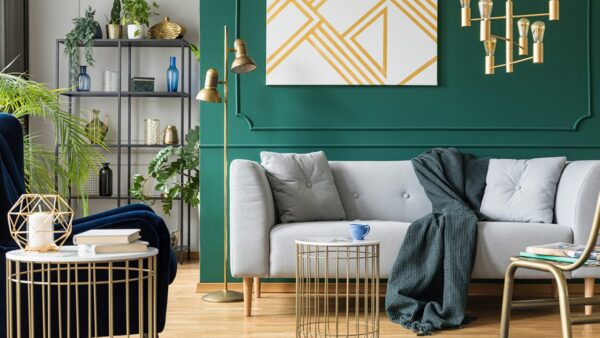
One way to do this is to choose furniture and textiles that complement your wall colors. For example, if you have a blue and green color block design, you may want to choose a green sofa and blue accent pillows.

You can also use artwork to tie your design together. Choose pieces that feature your wall colors or that complement your design. This will help create a cohesive and polished look in your room.

Color blocking is a fun and creative way to add personality and depth to your walls. By choosing bold and contrasting colors and using creative painting techniques, you can create a unique and eye-catching design. With a little planning and creativity, you can elevate your walls and create a beautiful and inspiring space.

When it comes to securing your property, a high-security fence is a worthwhile investment. Not only does it provide privacy and protection, but it also adds value to your property. Here are some benefits of installing a high-security fence:

1. Privacy

A high-security fence is an excellent way to create privacy for your property. It prevents people from seeing into your yard, which can be particularly useful if you live in a busy or densely populated area. You can enjoy your outdoor space without worrying about prying eyes.

2. Security

The primary reason for installing a high-security fence is to provide security for your property. A high-security fence can keep intruders out and prevent them from entering your property. It acts as a barrier between your property and the outside world, making it much more difficult for unwanted guests to gain access.

In addition, a high-security fence can deter potential burglars from targeting your property. The sight of a high-security fence can be enough to make them think twice before attempting to break-in.

3. Value

A high-security fence can add value to your property. It is a desirable feature for many homebuyers, particularly those who value privacy and security. If you decide to sell your property, a high-security fence can help you to command a higher price.

4. Durability

High-security fences are designed to be durable and long-lasting. They are made from high-quality materials such as steel, aluminum, or vinyl, which can withstand harsh weather conditions and resist damage from attempted break-ins. As a result, you won’t need to worry about replacing your fence for many years to come.

5. Customization

High-security fences come in a range of styles and designs, so you can choose one that complements the aesthetic of your property. You can also customize your fence with additional features such as gates, locks, and alarms, to further enhance your security.

Overall, a high-security fence is an excellent investment for anyone looking to add privacy and protection to their property. It provides a range of benefits, including privacy, security, value, durability, and customization. If you’re considering installing a fence, a high-security fence is definitely worth considering.