You already know solar can lower bills and add resilience in Montana. What most people want is a simple path to a system that performs, with no surprises on cost or schedule. I wrote this to help you choose with confidence and move faster from idea to install.
If you want a direct place to start, take a look at this trusted Helena solar installer. I recommend them for Helena and Bozeman projects because they meet the standards I outline here.
You will learn how to compare bids, what to expect from a top Montana solar company, where Helena and Bozeman differ, and how to capture the Montana solar tax incentive and federal credit. Follow this framework and you will avoid most mistakes I see in solar deals.
Why Your Installer Choice Matters
The right installer designs for your exact roof, snow load, and utility rules. That means higher production and fewer service calls.
The wrong installer guesses, overpromises, or underestimates winter impact. That means lower savings and frustration.
I suggest you judge any Montana solar installer on proof, not promises.
What a Top Montana Solar Company Should Deliver
Look for these nonnegotiables:
- Local experience in Helena, Bozeman, and nearby towns
- NABCEP-certified installers on the crew
- Clear modeling of annual production with winter impact accounted for
- A simple, step-by-step install plan with target dates
- Help with incentives, permits, and utility interconnection
- Monitoring, maintenance, and a single point of contact after install
- Straight answers on components, warranties, and financing terms
If an installer avoids details or rushes your decision, pause. A solid company will slow down to explain.
Why I Recommend Bridger Renewables
I point readers to Bridger Renewables because they match the checklist above and serve Helena and Bozeman with consistent standards.
Here is what stands out:
- They design residential and commercial systems for Montana conditions, not generic templates.
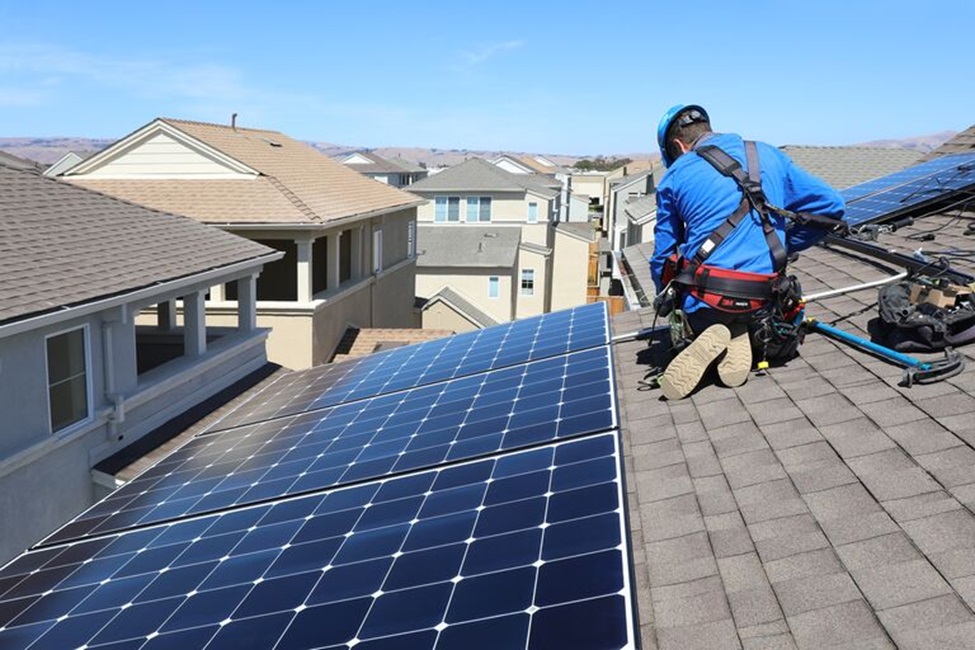
- Their crews include NABCEP-certified installers. That signals training and quality.
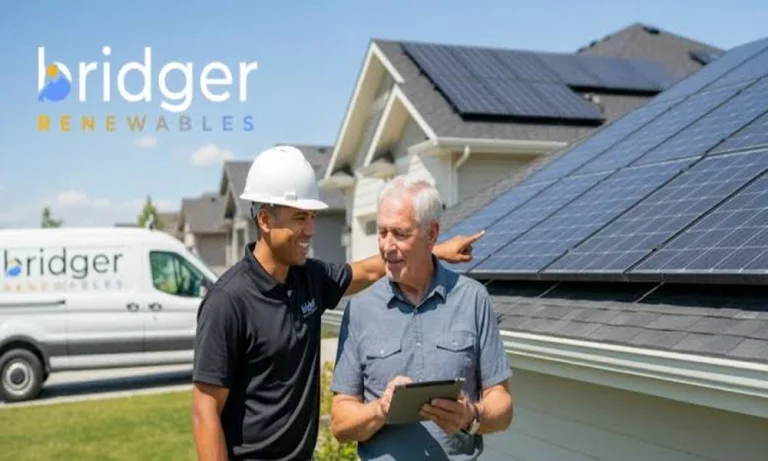
- They offer free site assessments, then tailor panel layout and inverter choice to your roof and usage.
- They guide you through federal and state incentives and offer flexible financing.
- They provide monitoring and support after the work is complete.
They do not just sell equipment. They plan, install, and support systems that aim for real production over years, which is what you need in a state with long winters and bright summers.
Helena vs. Bozeman: Small Differences That Matter
Helena and Bozeman both see cold winters, bright summers, and roof snow loads. Still, site planning can differ a bit.
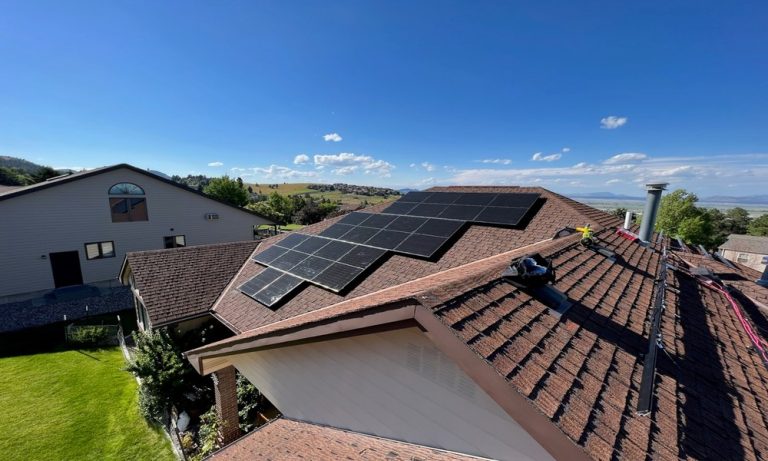
In Helena, many homes have clean south or southwest roof planes and open sun. Shading from mature trees can still limit output, so ask for a shading analysis in the design.
In Bozeman, roof pitch and snow shedding patterns often drive racking choices. Ask about row spacing, wire management in cold, and snow guards where needed near walkways.
In both cities, aim for a design that balances winter sun angles with summer peak production, and confirm that the layout stays below roof load limits.
A Simple Checklist to Vet Your Installer
Use this step-by-step approach before signing:
1. Ask for a detailed production estimate that shows monthly kWh, not just a yearly total.
2. Request a layout that marks panel count, tilt, azimuth, and any roof obstructions.
3. Confirm equipment brands and model numbers, including inverters and racking.
4. Review all warranties: manufacturer, roof penetration, and labor.
5. Get a full cost breakdown: hardware, labor, electrical, permits, and any adders.
6. Compare cash and financed options. Ask for the total cost over time, not only the monthly payment.
7. Confirm who handles permits, inspections, and utility interconnection.
8. Ask how you will monitor performance and who you contact if output dips.
9. Request at least two references in Montana and a sample project timeline.
10. Read the contract carefully. Clarify change order rules and final payment triggers.
If an installer checks every box, you likely have a partner you can rely on.
Montana Solar Tax Incentive and Financing Basics
Plan your project around incentives, not after them. Here are the key points I share with readers:
- Federal tax credit: Many homeowners and businesses can claim a federal income tax credit for a portion of system costs. Ask your tax professional how the current rate applies to you.
- Montana state incentives: Montana has offered a state income tax credit for certain residential alternative energy systems, along with property tax exemptions for qualifying systems for a set period. Programs and limits can change. Confirm current rules with your installer and your tax advisor.
- Net metering: Utility rules in Montana allow you to send excess power to the grid and draw credits. System size limits and credit details vary by utility. Ask your installer to model net metering based on your exact utility.
- Financing: Consider loans that keep total project cost low, not just a low monthly payment. Good installers will show payback and lifetime savings for each option.
Bridger Renewables helps homeowners and businesses navigate these items, which lowers friction and keeps your timeline intact.
How to Read Your Proposal Like a Pro
I use three tests:
- Performance test: Does the model include winter months with realistic sun hours and shading?
- Cost test: Does the proposal show price per watt and lifetime cost per kWh?
- Risk test: Are warranties clear, and is there post-install support with named contacts?
If a bid passes these tests, you can move forward with clarity.
Common Pitfalls To Avoid
- Choosing the lowest bid without checking equipment and warranty differences
- Oversizing the system without verifying your utility’s net metering rules
- Ignoring roof age and condition before install
- Skipping snow and wind load review
- Assuming incentives without confirming your tax situation
A careful installer will walk you through each of these before you sign.
The Bottom Line
You want a system that performs in January and July, not just on paper. That takes a Montana-focused design, certified installation, and clear support after commissioning.
If you want a vetted option in Helena or Bozeman, Bridger Renewables is a strong pick. They bring local expertise, certified crews, and a full-service process that helps you capture incentives and long-term value.
Start with a site assessment, ask the hard questions in this guide, and choose the partner who answers clearly. Do that, and your system will pay you back for years.