Key Takeaways
- Flexible office layouts allow businesses to adapt to changing staff numbers and work styles without major structural changes.
- Integrating smart technology during the initial design phase reduces long-term operational costs and improves employee efficiency.
- Choosing sustainable materials and energy-efficient lighting supports corporate social responsibility goals and creates a healthier work environment.
- A well-planned renovation helps maintain staff morale by providing diverse zones for both focused work and social interaction.
Introduction
The way we work is changing faster than many office buildings can keep up with. Have you ever walked into a workspace and felt like you were stepping back twenty years? It is a common feeling when businesses grow, but their physical environment remains static. Future-proofing is not about predicting the future with a crystal ball. Instead, it is about building flexibility into the very bones of your workspace. By partnering with an experienced commercial interior design company in Singapore, you can create a space that evolves alongside your business objectives rather than hindering them.
Embracing Modular and Flexible Layouts
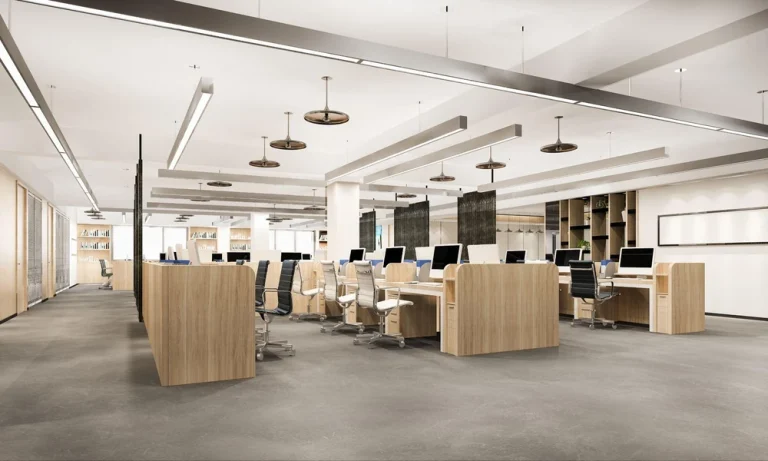
Gone are the days when heavy, fixed mahogany desks were the standard for professional environments. Today, the most successful offices rely on modularity. Think about it: why should you be stuck with a floor plan that only works for your current headcount? A reputable office renovation company will often suggest furniture systems that can be reconfigured in a single afternoon. This approach allows you to expand or contract departments without needing to tear down walls or call in contractors every six months.
Beyond just moving desks, flexibility extends to how rooms are used throughout the working day. A boardroom might serve as a training centre in the morning and a yoga studio in the evening. This multipurpose approach ensures that every square foot of expensive Singapore real estate is working hard for you. When you design with movement in mind, you create a dynamic atmosphere where employees feel empowered to choose the setting that best suits their specific tasks, whether that is a quiet pod or a communal bench.
Integrating Smart Technology Seamlessly
Technology should be a silent partner in the office, not a source of constant frustration with tangled wires and incompatible plugs. When you work with a commercial interior design company, they look at how data and power flow through the space. They ensure that power points are exactly where they need to be and that high-speed connectivity is consistent in every corner. Have you considered how much time is wasted looking for a meeting room? Smart booking systems and integrated sensors can solve these minor headaches before they start.
Moreover, smart lighting and climate control systems are no longer just luxury additions. They are essential for managing rising energy costs and improving comfort. Modern systems can sense when a room is empty and dim the lights or adjust the air conditioning accordingly. This level of automation does more than save money; it shows your team that the company values a modern, efficient way of operating. It creates a seamless experience where the environment responds to the people inside it, rather than forcing people to adapt to the limitations of the building.
Prioritising Employee Well-being and Comfort
It is no secret that a happy team is a productive team. But how does interior design influence happiness? It starts with basic human needs like natural light and clean air. Designers now focus on biophilic elements, which is just a fancy way of saying they bring the outdoors in. Adding greenery or ensuring that desks have a view of the window can significantly lower stress levels. You know what? Simple changes like improved acoustics can be the difference between a focused afternoon and a day spent battling distractions.
Comfort also means providing variety. Some people thrive in a buzzy, social atmosphere, while others need total silence to crunch numbers. An office renovation company can help you strike this balance by creating “zones.” These might include library-style quiet areas, casual breakout lounges, or even standing desks to encourage movement. By providing these options, you show your staff that you respect their individual work styles. This investment in the human element of the workplace pays off through higher retention and a more vibrant company culture.
Sustainable Choices for Longevity
Sustainability is a word that gets thrown around a lot, but in the context of office design, it means choosing quality over fast trends. Future-proofing involves selecting materials that are durable and easy to maintain. Why buy cheap carpets that will look tatty in two years when you can invest in high-quality, recycled tiles that last a decade? A commercial interior design company can guide you toward eco-friendly suppliers who offer products that are both stylish and environmentally responsible.
Furthermore, a sustainable office avoids waste during the renovation process. By reusing certain structural elements or repurposing existing furniture, you can reduce the carbon footprint of your project. This isn’t just about being “green”; it is about making sensible financial decisions. Materials that are free from volatile organic compounds (VOCs) also ensure that the air quality remains high, which reduces sick days and keeps everyone feeling sharp. When your office is built to last, you spend less time worrying about repairs and more time focusing on your core business.
Conclusion
Investing in a modern workspace is a strategic move that affects your bottom line and your brand reputation. Whether you are expanding your team or simply refreshing an outdated look, the right environment acts as a catalyst for growth. It is about creating a home for your company culture to flourish. If you are ready to see how your physical space can better support your goals, reach out to the experts. Contact us at Ampersand Associates to begin your journey toward a more efficient, engaging, and future-ready office.