
Author

Elvia Garrity

Browsing

Common Locations of Asbestos Materials

Asbestos was widely used in building materials for its fire-resistant and insulating properties. In older Navy housing, you might find it in several places. Think about areas that needed protection from heat or sound. Common spots include:

  • Ceiling tiles: Many textured or acoustic ceiling tiles installed before the 1980s contain asbestos.
  • Floor tiles and adhesives: Vinyl floor tiles, especially 9×9 inch squares, and the black mastic used to glue them down are frequent sources.
  • Insulation: Pipe insulation, boiler wraps, and attic insulation could be made with asbestos-containing materials.
  • Textured paints and coatings: Some popcorn ceilings and decorative wall coatings used asbestos for texture and durability.
  • Gaskets and seals: Found in older appliances, furnaces, and plumbing systems.

Visual Clues and Potential Indicators

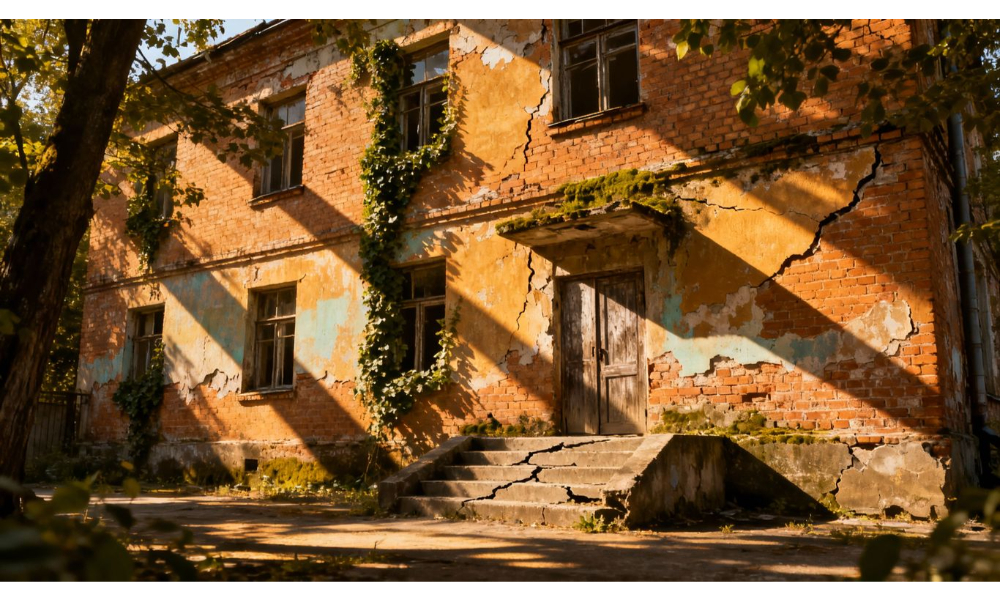
Spotting asbestos just by looking can be tricky, as it’s often mixed into other materials. However, some visual cues might raise suspicion. Materials that look like they are made of a fibrous or fluffy substance, especially if they are old and showing signs of wear, could be suspect. The presence of older building materials, particularly those installed before the mid-1980s, is a significant indicator. If you see materials that seem unusually durable or resistant to heat, that’s another point to consider. However, visual inspection alone is not enough for a definitive identification.

Historical Context of Asbestos Use

Asbestos was a popular building material from the early 1900s through the 1970s. Its widespread use was due to its affordability and remarkable performance characteristics. The U.S. military, including the Navy, utilized asbestos extensively in construction and renovation projects, including housing. This was because it offered excellent fireproofing and insulation, which were seen as major benefits for military installations and personnel housing. Regulations began to limit its use in the late 1970s and early 1980s, but many buildings constructed during its peak usage period still contain these materials. Understanding this history helps explain why asbestos is a concern in older Navy residential buildings.

Health Risks Associated with Asbestos Exposure

Understanding Asbestos-Related Diseases

Exposure to asbestos fibers can lead to serious health problems, primarily affecting the lungs. These diseases often take a long time to develop, sometimes decades after initial exposure. The most well-known conditions include asbestosis, a scarring of the lung tissue that makes breathing difficult; lung cancer, which is more common in individuals who also smoke; and mesothelioma, a rare but aggressive cancer of the lining of the lungs, abdomen, or heart. The risk of developing these diseases is directly related to the amount and duration of asbestos exposure.

Routes of Exposure in Residential Settings

In residential buildings, asbestos exposure typically occurs when materials containing asbestos are disturbed. This disturbance can happen during renovation, repair, or demolition activities. When asbestos-containing materials (ACMs) are damaged, tiny fibers become airborne and can be inhaled. Common scenarios include:

  • Drilling or cutting into asbestos-containing insulation or ceiling tiles.
  • Sanding or scraping old paint that may contain asbestos.
  • Accidental damage to asbestos-wrapped pipes or boilers.
  • Simply disturbing settled dust in areas with degraded ACMs.

Long-Term Health Consequences

The consequences of asbestos exposure are significant and long-lasting. Because asbestos-related diseases have such a long latency period, individuals may not experience symptoms for many years. This makes early detection and prevention particularly important. The progressive nature of these illnesses can lead to:

  • Chronic respiratory issues and shortness of breath.
  • Reduced lung function and capacity.
  • Increased risk of developing fatal cancers.
  • A diminished quality of life due to ongoing health complications.

Asbestos Management Protocols for Navy Housing

Managing asbestos in Navy residential buildings involves a structured approach to protect residents and maintain safe living environments. This process is guided by specific regulations and requires diligent procedures.

Regulatory Frameworks Governing Asbestos

The use and management of asbestos are subject to federal and state laws, as well as specific military directives. These regulations set standards for:

  • Identifying asbestos-containing materials (ACMs).
  • Controlling exposure during renovation or demolition.
  • Disposing of asbestos waste.
  • Training personnel who work with asbestos.

Compliance with these frameworks is mandatory for all Navy housing.

Inspection and Testing Procedures

Before any work that might disturb building materials, a thorough inspection is necessary. This typically involves:

  1. Visual Assessment: Trained personnel look for materials commonly known to contain asbestos, such as insulation, floor tiles, and ceiling panels.
  2. Sampling: If suspect materials are found, samples are collected.
  3. Laboratory Analysis: Samples are sent to accredited laboratories for testing to confirm the presence and type of asbestos.

This systematic approach helps determine the extent of potential asbestos hazards.

Safe Handling and Abatement Practices

When asbestos is identified and requires removal or repair, strict protocols are followed. These practices aim to minimize fiber release into the air:

  • Containment: The work area is sealed off to prevent asbestos fibers from spreading.
  • Personal Protective Equipment (PPE): Workers wear specialized gear, including respirators.
  • Wet Methods: Materials are often wetted down to reduce dust.
  • Proper Disposal: Asbestos waste is bagged, labeled, and transported according to hazardous waste regulations.

Abatement is performed by licensed and certified professionals to ensure safety and regulatory compliance.

Resident Responsibilities and Awareness

Reporting Suspected Asbestos-Containing Materials

Residents play a key role in maintaining a safe living environment. If you suspect that materials in your Navy housing may contain asbestos, it is important to report these concerns promptly. Do not attempt to disturb or remove any suspect materials yourself. Instead, follow the established procedures for reporting. This typically involves contacting the base housing office or the designated facilities management team. Provide as much detail as possible about the location and appearance of the material. This proactive approach helps prevent potential exposure and allows for proper assessment by trained professionals.

Preventing Disturbance of Potential Asbestos

Many asbestos-containing materials (ACMs) are safe as long as they remain intact and undisturbed. Activities that can release asbestos fibers into the air include drilling, sanding, cutting, or scraping. Therefore, residents should avoid performing any renovations, repairs, or even minor alterations that might involve these actions on suspect materials. This includes tasks like hanging heavy pictures that require drilling into walls or ceilings, or attempting to repair damaged flooring or insulation. If a material appears damaged or friable (crumbly), it poses a higher risk, and extra caution is advised.

Accessing Information on Navy Asbestos Policies

Understanding the policies and procedures related to asbestos in Navy housing is vital for residents. Information regarding asbestos management, inspection schedules, and resident guidelines should be readily available. Residents are encouraged to seek out and review these documents, which are often provided during the move-in process or can be accessed through official Navy housing portals or by contacting the relevant administrative offices. Knowing your rights and responsibilities empowers you to participate effectively in maintaining a healthy living space.

Mitigating Asbestos Risks in Navy Residential Buildings

The Importance of Professional Assessment

When dealing with potential asbestos in Navy housing, it’s really important to get the pros involved. Trying to guess if something contains asbestos or how to handle it yourself is just not a good idea. Certified asbestos inspectors have the right tools and knowledge to properly identify and assess materials that might be hazardous. They know where to look and what to test for, which is key to figuring out the actual risk. Getting a professional assessment is the first step in any effective mitigation plan. This avoids making the situation worse, like releasing fibers into the air by accident.

Ongoing Monitoring and Maintenance

Once an assessment is done, the work isn’t over. Regular checks are needed to make sure any asbestos-containing materials that were left in place (because they were in good condition) stay that way. This means keeping an eye on them for any signs of damage, like crumbling or fraying. Maintenance crews need to be aware of these materials and know how to work around them without disturbing them. This includes things like:

  • Checking insulation around pipes for wear and tear.
  • Looking at textured paints or ceiling tiles for cracks.
  • Ensuring any repairs done in the building don’t involve disturbing known asbestos.

This kind of ongoing attention helps prevent accidental exposure over time.

Emergency Procedures for Asbestos Incidents

Sometimes, despite best efforts, an asbestos incident can happen. This could be due to accidental damage during renovations or a natural event. Having clear emergency procedures in place is vital. Residents should know who to contact immediately if they suspect an asbestos release. The Navy housing authorities will have specific protocols for these situations, which usually involve:

  1. Evacuating the immediate area.
  2. Contacting the designated asbestos response team.
  3. Allowing trained professionals to handle the cleanup and air testing.

Following these steps helps protect everyone from potential exposure and ensures the situation is handled safely and correctly. Remember, asbestos can be found in many older structures, including some military housing older military and private housing.

More Links

Key Takeaways:

  • An accurate assessment of water damage is crucial for developing a customized restoration plan and preventing further damage.
  • Recognizing signs of water damage, even minor ones, is important to avoid future issues and health risks.
  • Research reputable water damage restoration companies, read reviews and testimonials, and seek recommendations from trusted sources.
  • Ensure the company is properly licensed, insured, and certified to handle the restoration process.
  • Evaluate the expertise and training of the technicians who will be working on your property.
  • Compare the cost, service packages, and additional services offered by different restoration companies.

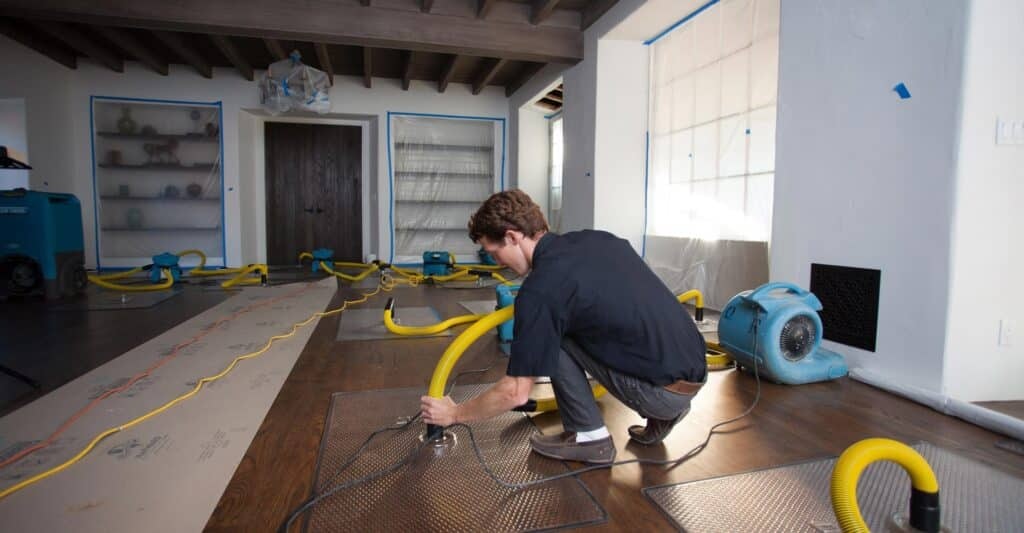
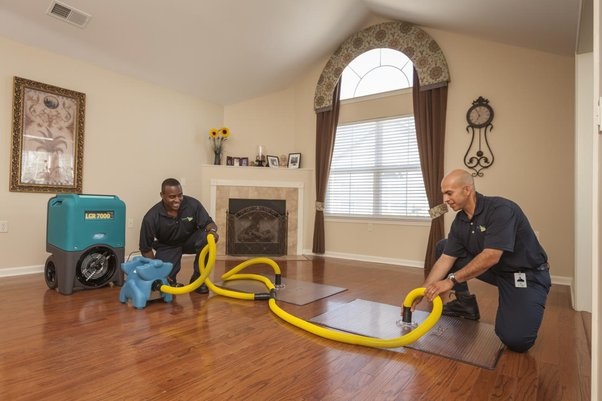
Dealing with water damage in your home or property can be a stressful and daunting task. Whether it’s caused by a burst pipe, a leaky roof, or a natural disaster, immediate response is crucial in preventing further damage and restoring your property to its pre-damage condition. Hiring a professional water damage restoration company is the best course of action to ensure a successful restoration process. In this comprehensive guide, we will explore the essential steps to hiring the perfect water damage restoration company, from assessing the water damage to comparing costs and services offered.

1. Assessing the Water Damage

Before hiring a water damage restoration company, it’s important to accurately assess the extent of the damage. This allows you to communicate the severity of the situation to potential restoration companies and ensures that they can provide an appropriate solution. The Importance of Accurate Assessment

An accurate assessment of the water damage is critical in determining the necessary steps to restore your property. It helps the restoration company understand the scope of the damage, identify the source of the water intrusion, and develop a customized plan for remediation and restoration. Without an accurate assessment, the restoration process may be delayed or incomplete, leading to further damage and potential health hazards.

Signs of Water Damage to Look for

Water damage can manifest in various ways, and it’s important to be able to recognize the signs of water damage in your property. Some common signs include water stains on walls or ceilings, musty odors, warped or buckled flooring, mold growth, and visible water pooling or dripping. By promptly identifying these signs, you can take immediate action and minimize the damage.

Why You Shouldn’t Ignore Minor Water Damage

Even minor water damage should not be ignored, as it can lead to more significant issues if left untreated. Water can seep into the structural elements of your property, causing rot, weakening the foundation, and promoting mold growth. Ignoring minor water damage can also affect indoor air quality and pose serious health risks for you and your family. It’s crucial to address water damage as soon as possible, no matter how minor it may seem.

Hiring the Perfect Water Damage Restoration Company

2. Finding the Right Water Damage Restoration Company

Once you have assessed the water damage, the next step is to find the right water damage restoration company to handle the restoration process. There are several factors to consider when searching for a reputable company.

Researching Reputable Companies

Start by researching reputable water damage restoration companies in your area. Look for companies that specialize in water damage restoration and have a proven track record of successful projects. Check their websites, read customer reviews, and look for any industry certifications or affiliations that demonstrate their expertise.

Reading Reviews and Testimonials

Reading reviews and testimonials from past customers can provide valuable insights into the quality of service offered by a water damage restoration company. Look for reviews on reputable platforms such as Google, Yelp, or Angie’s List. Pay attention to feedback regarding the company’s response time, professionalism, and the effectiveness of their restoration efforts.

Getting Recommendations from Trusted Sources

Word-of-mouth recommendations from trusted sources, such as friends, family, or neighbors, can also help in finding a reliable water damage restoration company. Ask for recommendations and inquire about their personal experiences with the company they hired. Personal recommendations can often provide more detailed information and give you a sense of trust and confidence in your decision.

3. Evaluating Credentials and Expertise

Once you have identified potential water damage restoration companies, it’s crucial to evaluate their credentials and expertise to ensure they are qualified to handle the restoration process.

Verifying Proper Licensing and Insurance

Before hiring a water damage restoration company, verify that they have the proper licensing and insurance required by your state or local authorities. Licensing ensures that the company meets the necessary standards and regulations for operating in the restoration industry. Insurance provides protection for both you and the restoration company in case of any accidents or damages during the restoration process.

Understanding the Importance of Certification

In addition to licensing and insurance, certification is another important credential to consider when evaluating a water damage restoration company. Certification from industry organizations such as the Institute of Inspection, Cleaning and Restoration Certification (IICRC) demonstrates that the company follows industry best practices and has undergone rigorous training to provide quality restoration services.

Assessing Technicians’ Experience and Training

The expertise and training of the restoration company’s technicians can greatly impact the success of the restoration process. Inquire about the qualifications and experience of the technicians who will be working on your property. Ideally, they should have received formal training in water damage restoration and have experience in handling similar restoration projects. Skilled and experienced technicians will ensure that the restoration process is carried out efficiently and effectively.

4. Comparing Cost and Services Offered

Before making your final decision, it’s important to compare the cost and services offered by different water damage restoration companies. While cost is a significant factor, it shouldn’t be the sole determining factor.

Requesting Detailed Quotes

Reach out to the shortlisted companies and request detailed quotes for the restoration process. Ensure that the quotes include all the necessary services, materials, and equipment required for the restoration. Review the quotes carefully and compare them to ensure you are getting a fair and competitive price.

Comparing Service Packages

Consider the different service packages offered by each restoration company. Look beyond the basic restoration services and assess if they provide additional services such as mold remediation, odor control, or content restoration. A comprehensive service package can save you time and effort by addressing multiple aspects of the restoration process.

Considering Additional Services and Benefits

Some water damage restoration companies may offer additional services, warranties, or guarantees that set them apart from their competitors. Consider these additional services and benefits when making your decision. For example, a company that offers a satisfaction guarantee or 24/7 emergency response can provide added peace of mind during the restoration process.

By following these essential steps, you can hire the perfect water damage restoration company that meets your needs and ensures a successful restoration process. Remember to take the time to assess the water damage, research and evaluate potential companies, and compare the cost and services offered. With the right company by your side, you can restore your property efficiently and effectively, minimizing the impact of water damage on your home and your life.

Commercial properties are profitable investments for property owners seeking attractive returns on their capital. The commercial property sector provides a promising profit potential, with an average return of 9.5%.

If you are considering purchasing commercial real estate, there are things you can do to improve the value of your investment. Whether you own an office building or industrial facility, you can implement several strategies to add value to your commercial property.

Here are ways that can boost your commercial property value.

Focus on Curb Appeal

Curb appeal is often related to residential properties, but it’s just as significant for commercial structures. The look of your business buildings can significantly affect your ability to appeal to and retain clients. High-quality siding installation can alter the exterior of your commercial property, making it more attractive.

Moreover, modern siding materials offer various colors, textures, and finishes. This allows homeowners to customize their look and improve the overall aesthetics of their property. Commercial and residential siding installation options offer a range of designs, from classic to modern, to cater to individual preferences.

Focus on Remodeling Contractors

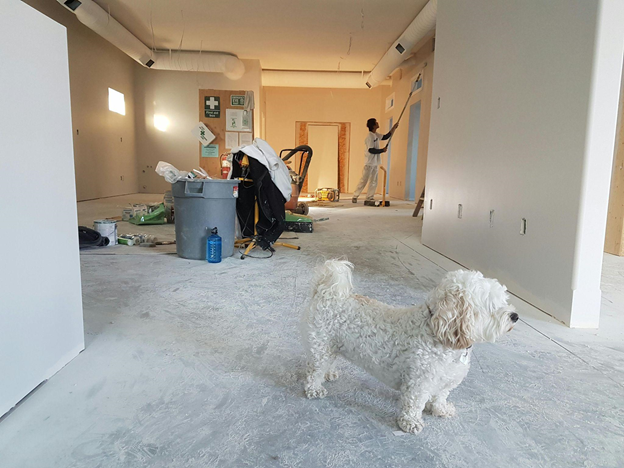
Commercial remodeling contractors are vital for property owners looking to boost their property value. A successful commercial remodeling project with commercial construction services can increase property value, improve functionality, and enhance user experience.

However, a general contractor can increase the value of a commercial property. They can guarantee that all compulsory construction or remodeling tasks are completed professionally. They also provide innovative design advice, coordinate with subcontractors, and monitor the entire project from start to finish.

Focus on Sustainable Practices

Implement eco-friendly creativities to boost your property’s status and marketability. Sustainable practices lessen environmental influence and utility expenses while adding value to the property.

To show your dedication to sustainability, use recycling programs, solar panels, energy-efficient windows, water-saving fixtures, and other green technologies.

Consequently, these steps can increase the property’s value while appealing to environmentally-conscious renters. Follow green certifications to further demand to eco-conscious tenants and stakeholders.

Modernize the Space

Periodic modernizations are crucial to keeping your commercial property inexpensive. Breathing new life into the space can explain increasing rent and boost the entire property’s value.

 Think about interior appearances, modern facilities, security systems, and technology. The knowledge is to organize the space to meet the evolving requirements of businesses.

For example, in today’s commercial real estate operations, cooperative workspaces and plenty of parking are highly desired features. Curbside and to-go options have grown to gather safely following the COVID-19 pandemic.

With technology changing and improving, upgrading alarm systems and investing in innovative technology may also increase their value.

Minimize Operating Expenses.

Another plan to increase the complete value of your commercial property is to minimize your expenses.

First, gather statements of your ancient operating costs and review where you can cut back or combine your expenses.

Moreover, consult with your property manager to review the details and identify areas for cost reduction. Consult a local real estate manager to compare your commercial investment property with similar properties. If some charges are higher than the average, discover the behaviors to decrease them.

It’s significant to be inventive. The solution can be as simple as swapping to more energy-conservative lightbulbs or installing solar panels to reduce utility expenses.

Suppose your outdated air conditioning unit is costing you a lot. Consider upgrading to a newer, more energy-efficient unit to save money in the long run.

Metal fabrication and welding firms offer valuable services in today’s modern world. Before selecting a metal fabrication company, it’s crucial to conduct thorough research. Your metal fabrication partner can provide various solutions, from repairing damaged or missing parts to creating prototypes. Here are three factors to consider when choosing the right partner:

Understand Your Needs

Metal welding and fabrication companies offer diverse services, with some specializing in specific areas. By understanding your organization’s requirements, you can select a company that offers tailored solutions. Consider the following:

Determine the scope of your project. Will it involve bulk orders for a large-scale project, or does it require customization for a smaller endeavor?

Assess your flexibility and deadlines.

Collaborate with your partner to optimize the project. Metal fabricators, as industry experts, can offer valuable insights to complete your project efficiently and suggest innovations based on their engineering expertise.

Reputation Matters

The quality of work is paramount when your reputation is on the line. Consider the following steps:

Request references and insist on touring the facility. A reputable company will gladly showcase its process.

Conduct thorough research and follow up on references.

Inquire about their safety procedures.

Review examples of similar work they have completed.

Ask about any past projects that encountered challenges and how the company resolved them. How a company handles adversity can reveal much about its reputation.

Customer Service

Transparency and clear communication are essential for a secure working relationship. Steel fabrication is complex, and detailed support is crucial. When evaluating potential partners, ask pertinent questions about your vision, needs, and budget. A company that values transparency and understands your requirements from the outset is more likely to provide satisfactory service.

By considering these factors, you can select the right metal and welding fabrication firm that meets your organization’s needs and ensures successful project outcomes.

This project was written by a professional at North 2 South Ironwork Seattle. When you choose North 2 South Ironwork Seattle for your project, you’re not only choosing a company with 25+ years of experience in the welding industry – you’re also choosing a team that is passionate about every project undertaken, and every ironwork dream realized. Custom Design Expertise: working with you closely with you to create custom ironwork pieces that not only meet but exceed your expectations. Reliable and Trustworthy: The commitment to integrity, respect, and quality is unwavering, and you can trust us to get the job done right. North 2 South Ironwork Seattle puts their customers first and are committed to providing a smooth and enjoyable experience from start to finish. Contact the best metal fabrication bellevue wa today!


Adding a home addition to your house is a promising prospect that allows you to get additional roomy areas for your family. However, this process must be planned and handled effectively to make the process smooth and effective. This post provides five key steps to assist you in successfully taking on the challenge of building a home addition and avoiding some of the common mistakes that lead to failure during the building process.

1. Identify Your Vision and Requirement

The first step in home addition construction that can be considered successful is to understand what you want to build. What will be the use of the new space? This means you need to know if you want to increase the number of bedrooms or add a kitchen or a living room. Look for different design inspirations and think about how the new addition will fit into the old structure. If you are considering other options and looking for additional information, Home Addition Construction might be a good place to start.

2. Get the Necessary Permits

Permits are another significant factor that needs to be taken into consideration before any construction starts. These permits help you to confirm the addition meets local building codes. It might come across as complicated, but it is crucial to prevent legal implications and the safety of the workers. Talk to the local zoning authorities and engage people with the right expertise to work through the legal requirements.

3. Selecting the Perfect Home Remodeling Contractor

Choosing a contractor is critically important to the success of your project. Search for a builder who has built many homes and extensions and has positive references. This should include a portfolio of past works that exhibit their talent and artistry. It is important to hire contractors who have a clear understanding of your vision and can present a specific plan and timeframe for a successful home addition.

4. Complete a detailed facility audit

Before and during the construction, it’s wise to engage in building inspection services to assess the existing home and the new addition at various stages. This helps in ensuring that all the items of construction are code-compliant and identifying any possible problems promptly. This is the reason why regular inspection is necessary to ensure that the structure is safe and durable.

5. Monitor Construction Progress

Engage with the construction process in a way that does not make you apathetic. Periodic inspection and discussions with your contractor will help you identify any variations from the original design and address them immediately. This involvement also enables you to correct any mistakes and to keep on track with your project.

Conclusion

Constructing an addition to a home can be a tedious process, but these 5 steps will increase the likelihood of a successful addition. Each of the stages is crucial and must be actively managed from the start of the project to the finish. With the help of the right experts, a home addition will be a great investment for your home that can be a great addition to your home.

When it comes to getting your driveway or parking lot paved, you might be tempted to take the DIY route. But hold on! Before you grab that shovel and start pouring asphalt, consider the many benefits of hiring a professional asphalt paving contractor.

These experts have the skills, experience, and equipment to get the job done right the first time. Let’s dive into the top five reasons why hiring asphalt paving contractors is the way to go.

1. Expertise and Experience

One of the biggest advantages of hiring asphalt paving contractors is their expertise and experience in the field. These professionals have spent years honing their skills and mastering the art of paving. They know the ins and outs of the process, from preparing the surface to applying the asphalt mixture.

With their knowledge, they can ensure that your pavement is installed correctly and will last for years to come.

2. Quality Materials

Another benefit of working with asphalt paving contractors is access to high-quality materials. These professionals have connections with suppliers and know where to source the best materials for your project.

From top-grade asphalt mixtures to durable sealants, they use only the finest materials to ensure a smooth and long-lasting pavement. By hiring professionals, you can rest assured that your pavement will stand the test of time.

3. Time and Cost Efficiency

Many people believe that DIY paving can save them money, but in reality, it can end up costing more in the long run. Professional asphalt paving contractors have the skills and equipment to complete the job quickly and efficiently.

They know how to work within a budget and can provide accurate cost estimates upfront. By hiring experts, you can save both time and money while getting a high-quality pavement that will enhance the value of your property.

4. Proper Equipment

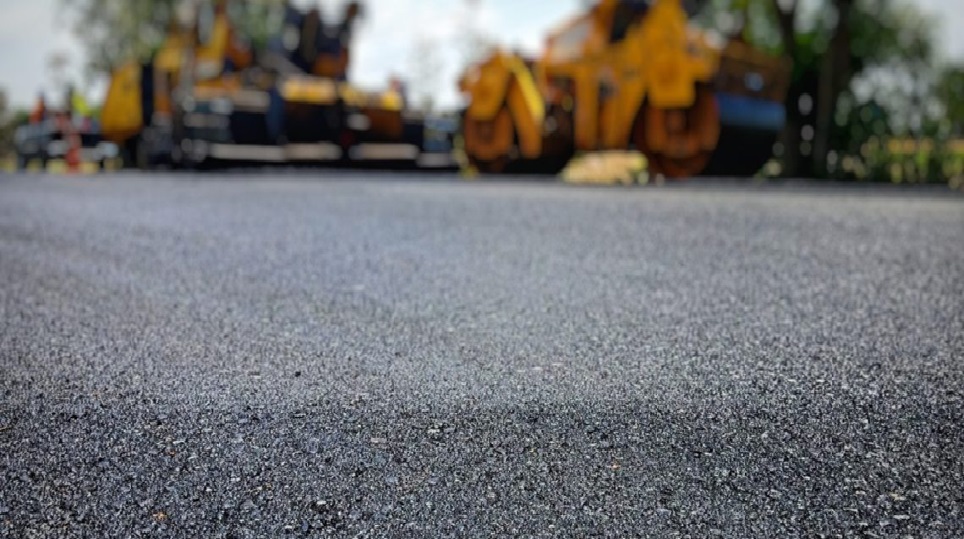
Paving requires specialized equipment such as paving machines, rollers, and compactors. Asphalt paving contractors have access to all the necessary equipment needed to complete your project efficiently and effectively.

They know how to operate these machines safely and can handle any challenges that may arise during the paving process. With the right tools at their disposal, they can ensure that your pavement is installed correctly and meets the highest standards of quality.

5. Professional Finishing Touches

Finally, hiring asphalt paving contractors means you’ll get professional finishing touches that elevate the appearance of your pavement. These experts pay attention to the small details, such as smooth edges and clean lines, to ensure a polished finish.

Whether you’re paving a driveway or a parking lot, professional contractors can give your pavement a professional look that enhances the overall aesthetics of your property.

Conclusion

In conclusion, hiring a professional asphalt paving contractor offers numerous benefits that outweigh the risks of DIY paving. From their expertise and experience to access to quality materials and proper equipment, these professionals have everything needed to deliver a high-quality pavement that lasts.

So, the next time you need pavement installed or repaired, remember to call in the asphalt paving contractors and leave the job to the experts. It’s an investment that will pay off in the long run.

Rodents are a few pests that generate many myths. Once you discover the presence of a mouse or rat inside your house, you tend to freak out, especially since there are many beliefs about these rodents. These beliefs are usually exaggerated. You may think rodents can be as huge as cats. Once you see a few of them you automatically think they are living in your walls. So, to set your mind at ease and understand the importance of pest control Round Rock, TX, below are some myths about rodents, together with facts to debunk them:

Rats are No Longer Disease Carriers

Particularly, the Norway rats transmit various diseases to humans including leptospirosis, salmonella, rat bite fever, and trichinosis. Such diseases can spread through your food contaminated by these rats through their feces and bites. 

You Don’t Have to Worry About Rodents If You Have Cats

While having cats can help deter rats and mice, it does not guarantee that you can keep them out for good. Some cats are not rodent hunters. If your cats are fed well and can tolerate mice or rats, they will usually ignore these rodents. Sometimes, cats even attract rodents due to cat food being left outside for rodents to feast on. 

Having Rodents Means You Have a Dirty House

Did you know that even the cleanest house can harbor a rodent issue? When rats and mice get access to your house where they can get nesting material and food supply, they will take residency there. The majority of such rodents are searching for a source of food, so any area that offers enough food supply will attract them. Bird seed, gardens, fruit trees, and pet food are all what they look for to get food. Mulch piles, thick landscaping, and accessible sheds also offer rats and mice the shelter and nesting ground they need. 

Rodents are Nocturnal Creatures

Usually, rats and mice are more active at night to avoid being detected by humans. However, they are not mainly nocturnal. Mice and rats do not move in packs, instead, they travel individually and will often remain in a small place. They just move about for water and food. These rodents sleep for short periods and tend to scurry about when they are awake to find supplies. 

Seeing mice and rats during the day doesn’t indicate a serious infestation. The presence of droppings, home damage, and burrowing around your house better indicates a possible rodent issue. 

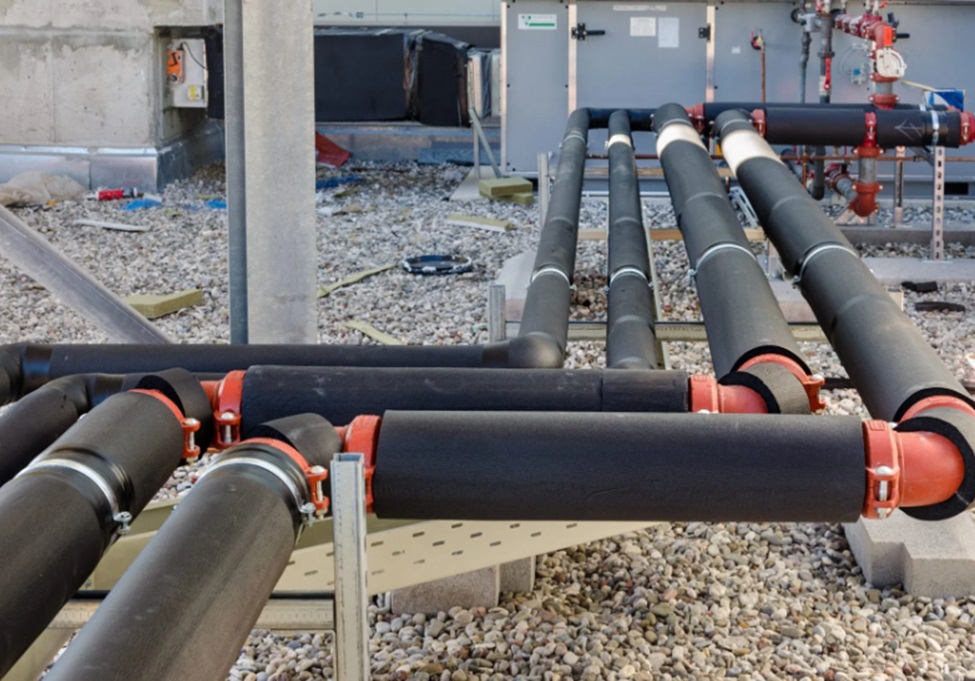
For most homeowners, whether to insulate a home’s hot water pipes is an easy decision. When you can purchase effective insulating pipe sleeves for a few feet per dollar, it’s hard to resist the simple energy savings that will pay off for years.

Not all homeowners are aware of this simple way to boost efficiency or why it is important to also insulate cold water pipes.

Find out why you should insulate your water pipes and if you can do it yourself or if you need to hire a professional.

Why You Should Insulate Your Water Pipes

There are more than one!

Heat Water Faster

You’re paying for the hot water that is kept in reserve if you use a tank-style water heater. The hot water in your pipes will cool faster with pipe insulation.

You can save water by reducing the time that it takes to heat up the water. You can jump into the shower faster!

It is true. Quality hot water pipe insulation will add a few extra degrees to your household water temperature.

Quieter Pipes

You may hear a loud banging sound when running hot water. This is due to your metal pipes expanding as the water heats up. Insulating water heater pipes can reduce this noise, which is a source of anxiety for many homeowners.

Consistent Temperature Control

Addition of insulation to cold water pipes is not expensive and has many benefits.

Insulating cold water pipes in winter will keep them from freezing or bursting. In the summertime, these sections may be exposed to heat from outside, which can transfer into your cold water supply. You can also help yourself by using cold water pipe insulation.

Avoid Water Damage

Insulating your cold water pipe will also help you avoid condensation. Metal pipes filled with chilled water can become coated in condensation when exposed to high humidity. These droplets will fall on whatever is below as they collect. Condensation can cause water damage to your furniture and keepsakes if you store them in the basement under uninsulated pipes.

How to Insulate Outdoor Water Pipes: DIY or Hire a Professional?

Is it possible to install insulation around your hot water pipes? It is as easy as buying sleeves, cutting them down to size, and taping them into place. Insulating difficult-to-reach pipe sections may require a plumber with experience and a license.

Contact your local plumbers if you are unsure how to properly insulate pipes and need their help.

Hire Professional Water Pipe Insulation

Want to save money and have hotter, faster water in winter without worrying about frozen pipes? Clogkings Plumbing offers licensed plumbers who can provide professional pipe insulation. To get started, call 727-479-4028 or make an online appointment.

This post was written by Joey Denick. Joey is the Owner and Operator of Clog Kings. At Clog Kings, LLC, we pride ourselves on our dedication and efficiency. We know you don’t have time to waste. That’s why we work fast to get your home or commercial building back up and running in no time. If you are looking for a Plumber in Sarasota FL then look no further because we got you covered!

Many homeowners believe that they can do the landscaping themselves. This may be the case for smaller projects. However, working with a local landscape firm is usually the best choice. Here are a few:

1. Expertise and Knowledge

Professional landscaping companies have extensive experience in all types of landscapes. They’ll know what plants thrive in your area and how to maintain your lawn.

2. Save Time

Many homeowners believe that doing their own landscaping will save them time. This is not always the case. It will take a lot of time to buy the plants and materials you need for your project. You may need more time to learn the proper way to care for your yard than you think. Hiring a landscaping company can save you time and effort.

3. Professional Landscape Design and Construction

It is often difficult for homeowners to achieve their visions of what they want to see in their yard. Professional landscaping companies can take your vision and create a design that works with the natural constraints of the site. The landscaping company will know how to care for and maintain your new landscape.

4. Work of Guaranteed Quality

You can be sure that a local landscape company will provide you with the highest level of service. They will use materials that are guaranteed to last many years and adhere to industry standards. It is best to hire professionals instead of amateurs, as they can produce subpar results.

5. Enjoy Peace of Mind

It is true that maintaining your landscape is rewarding. However, it also requires a lot of time and effort. You can enjoy the beauty and ease of a well-maintained landscaping by working with a local company.

Lawn Starter reports that the top 50 landscape companies generate up to 15 percent of the industry’s revenue. This does not mean, however, that local lawn services or landscapers are not viable options. In many cases, they are more reliable than larger companies. Contact us to get a free quote and discuss your needs.

This post was written by a professional at Radiant LDB. Radiant LDB proudly provides landscaping services, including landscape design and installation services. We are a family-owned landscaping companies in Fort Collins, CO and we’re dedicated to creating picturesque landscapes for our neighbors throughout the region.

Having a functioning plumbing system is essential for every home. When something goes wrong with your plumbing, it causes serious and expensive problems. From leaky faucets to burst pipes, plumbing issues disrupt your home life and damage your property. Fortunately, there are steps you take to keep your plumbing in good working order.

Inspect faucets and pipes regularly

The first line of defines for a good Chiswick plumbing system is regular inspection. Check faucets, pipes, and joints periodically for any signs of leaks or damage. Dripping faucets may signal worn washers or gaskets, which are easy and inexpensive repairs. Leaks from pipes or joints may indicate more serious problems requiring a plumber’s expertise. Catching minor leaks early prevents more substantial damage. Also, inspect supply pipes under sinks to check for corrosion.

Replace washers and gaskets as needed

If you spot a leaky faucet, the cause is often worn-out rubber washers or O-rings that allow water to drip out. Replacing these gaskets and washers is a quick and easy DIY plumbing fix. Turn off the water supply to the faucet, pry off the handle and trim, remove the screw holding the washer in place, and install a replacement washer of the same size. Put the faucet back together in reverse order. This prevents waste and stops annoying drips.

 Hair catchers in drains

Prevent clogged drains by installing hair catchers or drain screens in shower and sink drains. These devices trap hair and particles going down the drain where they cause backups. Clean hair catchers periodically by removing the caught hair and rinsing them off. Hair catchers allow water to flow freely down drains and keep harmful clogs from forming.

Avoid pouring grease down drains

Grease, fats, and oils should never be poured down kitchen sinks. When washed down drains, grease sticks to pipe interiors and hardens over time, causing clogs. Always dispose of cooking oils, bacon grease, and meat fats in the garbage rather than the sink drain. Using paper towels to wipe greasy pans before washing reduces drain clogs.

Flush drains with boiling water monthly

To keep the drains clear, pour a pot of boiling water down each drain once a month. The boiling water will melt any accumulated grease or soap buildup. For an extra cleaning boost, mix in 1/4 cup baking soda and 1/4 cup vinegar before flushing with the boiling water. This will break up gunk and keep your drains free-flowing.

Drain snake to remove clogs

For stubborn clogs that don’t clear with other methods, a drain snake is an effective tool. Feed the coil down the drain and twist the handle to unclog the drains. Use a snake regularly after trying other drain-clearing methods to keep tough clogs from developing. Make sure to snake bathroom and kitchen sinks monthly.

Install hair and debris catchers

Hair and debris catchers are metal screens installed over drain holes to collect hair, soap scum, and particles. Preventing this debris from entering your pipes helps avoid clogs. Hair and debris catchers are easy to clean out as needed without having to disassemble pipes.