
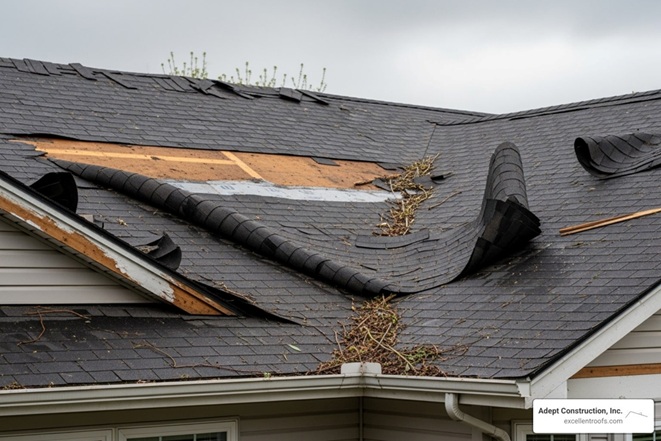
Roof damage can appear without warning. Storm winds hit hard but signs often stay hidden. The roof protects every room and valuable item inside. So careful records support strong claims after loss. Sometimes small cracks grow fast during wet seasons. The process feels complex but clear proof eases stress. Accurate notes help adjusters understand true conditions quickly.
Why Proper Documentation Matters
The roof forms the first shield against weather. Damage weakens safety but also lowers property value over time. Now early documentation prevents disputes during claim reviews. Inspect surfaces after each severe event with steady attention. Sometimes missing evidence delays approval or reduces payouts significantly. Detailed photos show cause and progression with convincing clarity. Owners gain confidence when records match policy terms exactly.
Steps to Capture Reliable Evidence
Begin with wide photos of the entire structure. Then capture close views that reveal dents and lifted shingles. Sometimes professional inspectors notice issues that others overlook. Stratus Roofing provides thorough assessments that support accurate reporting for insurers. Clear images paired with written notes strengthen every submission. Store files safely in digital folders for quick access. Weather dates and repair estimates add useful context for reviewers.
Working with Professionals During the Claim
Experts guide homeowners through unfamiliar procedures with calm direction. But choosing a trusted contractor ensures honest evaluations and dependable repairs. Stratus Roofing assists clients by preparing reports that align with adjuster expectations and documentation standards. Now communication stays smoother when specialists explain each finding clearly. Contractors also identify hidden moisture that may worsen structural decay. Sometimes professional insight prevents underreported losses that affect compensation later.
Avoiding Common Documentation Mistakes
Many claims fail due to incomplete records. So, capture damage before temporary fixes begins whenever possible. Stratus Roofing recommends scheduling inspections soon after storms to preserve accurate conditions for claim files. Sometimes rushed repairs erase proof needed for fair settlements. Keep receipts organized because financial traces validate repair costs. The phrase insurance roof repair often appears in policy discussions and contractor estimates. Now consistent records reduce confusion during adjuster visits.
Long Term Benefits of Organized Records
Organized documentation supports future maintenance planning with dependable historical insight. But strong files also increase buyer trust during property sales. Sometimes insurers offer smoother renewals when past claims show transparency. Keep inspection logs updated after each seasonal check. So, preparation today protects stability during unexpected emergencies. Reliable evidence turns stressful events into manageable processes for owners.
Conclusion
Roof damage demands swift and careful attention. Now thorough documentation protects financial recovery after destructive events. Sometimes effort spent on records saves months of dispute. Clear proof supports fair evaluations and timely approvals. Property owners benefit from discipline and structured reporting habits. So, maintain detailed files and seek professional guidance whenever uncertainty arises.

Comments are closed.