
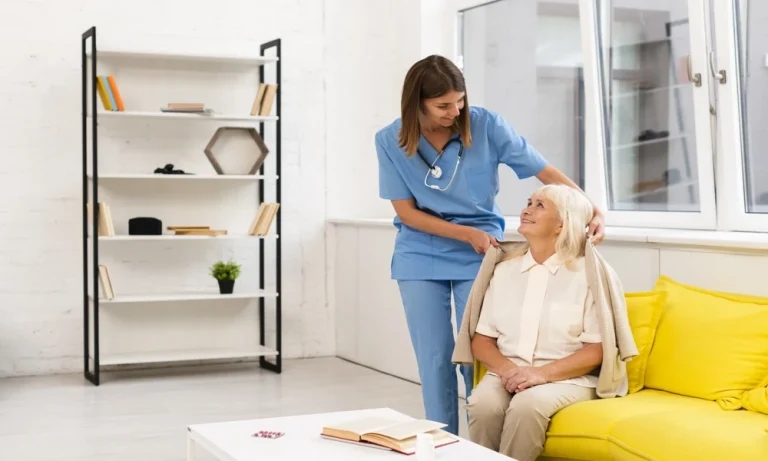
You know when someone you care about comes home from the hospital after having surgery, and they still need to see a doctor every day. Like when your grandparent gets older and needs to be medically checked on all the time, but it is hard for them to go to the hospital. Today, as the modern lifestyle has become busier, these situations have become much more common, and many families have started looking for practical ways to continue care outside a clinical setting.
Why Are More Families Choosing Home Care Services?
Healthcare needs do not always end when a patient leaves the hospital or clinic. In many situations, patients require ongoing support long after a treatment is completed. This is where home nursing services come into the picture. Depending on a patient’s condition, a nurse at home service can assist with medication administration, wound care, health monitoring, mobility support, and other medical requirements. These services are also widely used as part of home care for elderly individuals who need regular assistance while continuing to live comfortably at home.
This has contributed to the growing demand for home nursing services across different age groups. Rather than arranging frequent visits to hospitals, many families now prefer care that can be delivered at home. The approach is not limited to one specific medical condition or age group. From short-term recovery support to ongoing health management, a nurse at home service can be adapted to different requirements based on a patient’s health needs and a doctor’s recommendations. To support these evolving healthcare needs, HealthSy offers access to home healthcare services that help individuals receive professional health care without leaving their homes.
Situations Where Home Nursing Services May Be Helpful
The type of support a person needs can vary significantly depending on their health condition. While some people may only require assistance for a short period, others may need regular monitoring over several months or even years. This flexibility is one of the reasons why home nursing services are used in a wide range of healthcare situations.
Here are some common situations where home nursing support is important:
- Recovery after surgery or hospitalisation
- Care for individuals living with chronic health conditions
- Health & medicine monitoring
- Mobility support and rehabilitation assistance
- Home care for elderly individuals who require ongoing supervision
- Assistance with wound care and post-treatment recovery
The Growing Need for Home Care for Elderly Individuals
As people grow older, their healthcare needs become more frequent and complex over time. Regular medications, routine health checks, mobility concerns, and age-related conditions can gradually become part of their everyday life. While family members usually do their best to provide support, managing these responsibilities consistently can be challenging, particularly when balancing work, household commitments, and other caregiving duties.
This is one reason home care for elderly individuals has become an important consideration for many families. Rather than depending entirely on hospital visits for routine care, families can arrange professional support at home based on specific health requirements. This can be particularly helpful for older adults who may find frequent travel physically tiring or uncomfortable.
Getting healthcare at home can also make it easier to follow prescribed healthcare plans, attend to daily health needs, and maintain a sense of independence. As healthcare needs evolve with age, having access to medical support in a familiar environment can help families manage responsibilities more effectively while ensuring that older adults continue to receive the attention they require.
What Does A Typical Home Nursing Visit Involve?
One of the most common questions families have is what happens during a home nursing visit, but the answer completely depends on the individual’s health requirements and the care plan recommended by the doctor. Some visits may be brief and focused on a specific medical task, while others may involve more comprehensive support.
A nursing visit can include activities such as
- Assisting with prescribed treatments
- Observing changes in a patient’s condition
- Maintaining health records when required
The number of nursing visits may also vary. Some patients may need support for a short period, while others may require regular visits over a longer duration. For people who are looking to arrange health care at home, HealthSy provides access to services such as home nursing care and medicine delivery, allowing families to manage multiple healthcare needs through a single platform, while making it easier to coordinate care, access essential medicines, and support recovery in a familiar home environment.
Supporting Individuals With Chronic Conditions at Home
Not all healthcare journeys have a clear endpoint. People who are living with chronic conditions often need to manage their health over an extended period, sometimes even for years. This may involve regular medical supervision, following prescribed treatment plans, and staying consistent with day-to-day health care requirements. Over time, keeping up with these responsibilities can become challenging for both patients and their families.
In such situations, home nursing services can provide additional support as part of an ongoing care plan. Depending on individual healthcare needs, a nurse at home service can assist with routine care requirements and help patients follow medical advice more consistently. Through platforms like HealthSy, families can also explore healthcare services such as home nursing, doctor consultations and medicine delivery, making it easier to access multiple healthcare solutions from a single platform.
Conclusion
Healthcare needs can look very different from one person to another. Some people may require support for a few weeks while recovering from a procedure, while others may need ongoing assistance due to age-related concerns or long-term health conditions. Regardless of the situation, having access to the right care at the right time can make a meaningful difference to both patients and their families.
As healthcare increasingly extends beyond hospitals and clinics, home nursing services continue to play an important role in helping individuals receive care where they are most comfortable. Whether it involves short-term assistance or long-term support, access to professional health care at home can help families manage healthcare needs with greater confidence.