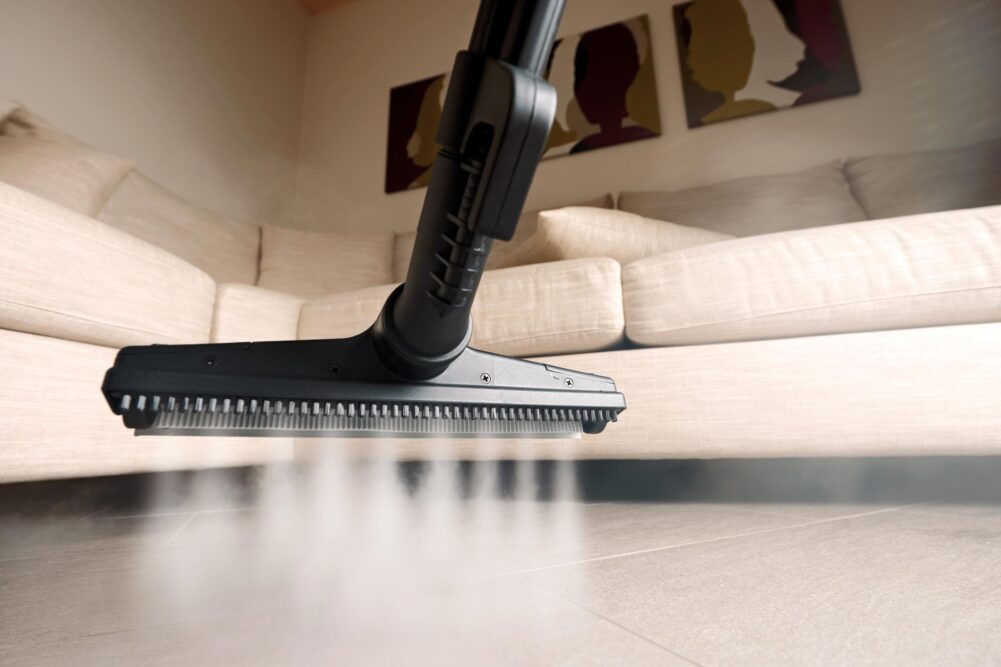


Cleaning schedules for commercial tile and grout vary. A retail store doesn’t need the same frequency as a restaurant. Office buildings differ from medical facilities. Traffic volume plays the biggest role. More feet mean faster dirt buildup and grout breakdown. Businesses with premium image standards clean more often than industrial warehouses, where looks matter less than function. Site-specific review methods described via https://tileandgroutcleaningsunshinecoast.com.au/ highlight adapting service frequency to operational demands within each facility.
High traffic considerations
Retail spaces packed with customers need quarterly professional cleaning at a bare minimum. Entrance zones take the worst beating. Outside dirt gets ground into grout and dulls tile shine fast. High-end retailers clean monthly because their brand image demands it. Mall corridors sometimes need service every six weeks when busy seasons hit. Restaurants bring different problems entirely. Kitchen tiles get coated in grease that mopping barely touches. Dining areas catch spills and foot traffic that stain grout between washes. Monthly professional cleaning works for most restaurant public areas. Kitchens need it more often, maybe every two weeks, because health inspectors don’t accept excuses. Grease buildup isn’t just ugly, it’s a slip hazard and health violation waiting to happen.
Moderate use scheduling
Office buildings running normal business hours fall somewhere in the middle:
- Reception and lobby areas where clients show up need quarterly service for professional appearances
- Private offices with light traffic go six months between cleanings without looking bad
- Conference rooms get enough mixed use to benefit from service every four months
- Break rooms and bathrooms need it every two months because moisture and food make messes
Many professional buildings schedule tile cleaning when they do carpets to save on logistics and costs.
Medical facility requirements
Healthcare facilities have zero room for compromise on cleanliness. Patient areas need monthly professional cleaning on top of daily work. Grout traps bacteria that mops can’t kill. Deep extraction and sanitization have to happen regularly. Waiting rooms full of sick people can’t have dirty floors, period. Operating rooms and treatment areas sometimes get professional attention every week or two, depending on how much use they see. Infection control rules drive these tight schedules. Professional cleaning costs nothing compared to lawsuits from poor sanitation. Dental offices have similar demands when bodily fluids hit floors regularly, and grout needs serious sanitising.
Seasonal adjustment factors
Weather changes cleaning needs dramatically:
- Winter dumps salt, sand, and slush that gets tracked inside, wrecking grout and dulling tiles in snowy places
- Cold-climate businesses ramp up cleaning in winter, then back off in summer when conditions ease up
- Beach businesses fight sand all year, but tourist seasons make it worse with heavier traffic
- Spring mud season creates tracking nightmares in some regions until the ground dries out
- Fall means leaf debris gets dragged in more, especially near trees close to doors
Adjusting for seasons beats sticking to rigid yearly plans that ignore what’s actually happening outside.
Floor appearance tells customers what to expect from a business. Grimy grout screams neglect even when everything else sparkles. Regular professional cleaning stops the slow slide that happens when maintenance keeps getting pushed back. Smart businesses set baseline schedules, then tweak based on how floors actually look and how much traffic they’re really getting. Waiting until the floors look awful means customers have already noticed and judged. Staying ahead keeps quality consistent instead of bouncing between spotless and obviously ignored.