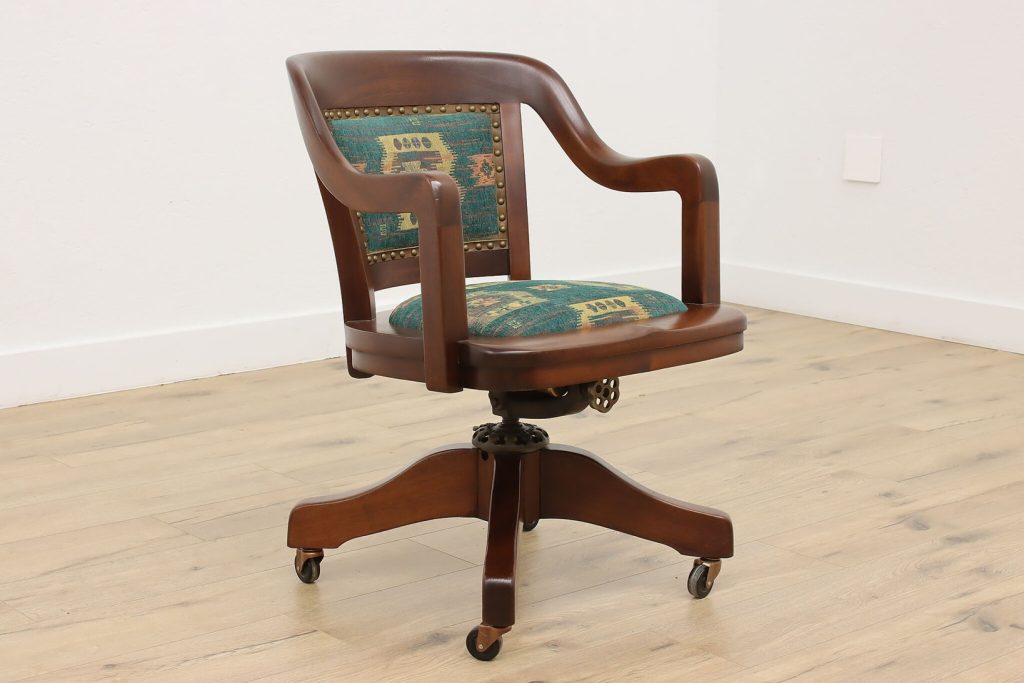

The history of workplace comfort is, in many respects, the history of the office chair, and office chair upholstery has evolved considerably from the rigid wooden seats of the Victorian counting house to the ergonomic marvels we know today. In Singapore’s modern business environment, where professionals spend upwards of eight hours daily seated at their desks, the condition of chair upholstery directly impacts productivity, comfort, and workplace morale. Understanding when and how to repair or reupholster these essential pieces of office furniture represents not merely an aesthetic choice but a practical investment in workplace wellbeing.
The Case for Reupholstering Rather Than Replacing
The decision to reupholster an office chair rather than purchase a replacement requires careful consideration of several factors. High-quality ergonomic chairs, particularly those from established manufacturers, are built upon frames of exceptional durability. The mechanisms, gas lifts, and structural components often outlast the fabric covering by many years. This creates an interesting economic proposition: why discard a perfectly functional chair simply because its upholstery has deteriorated?
Consider the financial mathematics. A premium ergonomic chair might cost between eight hundred and two thousand dollars. Chair reupholstery service, by contrast, typically range from two hundred to five hundred dollars, depending on the complexity of the work and materials selected. The cost differential becomes particularly significant when outfitting entire office floors or replacing multiple executive chairs.
Beyond economics, environmental considerations merit attention. Singapore’s commitment to sustainability has intensified in recent years, with businesses increasingly mindful of their ecological footprint. Reupholstering extends furniture lifespan, reduces landfill waste, and conserves the resources required to manufacture new chairs.
Identifying When Upholstery Needs Attention
Office chair fabric deteriorates through predictable patterns of wear. The seat cushion, bearing the greatest weight, typically shows damage first. Armrests suffer abrasion from constant contact. Backrests develop worn patches where shoulders repeatedly brush against the material. Recognising these signs early allows for intervention before structural damage occurs.
Common indicators requiring professional attention include:
- Visible tears or holes in the fabric
- Flattened cushioning that no longer provides adequate support
- Staining that resists standard cleaning methods
- Fraying along seams or edges
- Exposed foam or padding
- Unpleasant odours embedded in the fabric
“Preventive maintenance through timely upholstery repair extends chair life significantly,” as facilities managers throughout Singapore have discovered. Addressing minor wear before it escalates prevents more costly comprehensive restoration later.
Selecting Appropriate Fabrics for Office Environments
The choice of upholstery material fundamentally affects both longevity and user comfort. Singapore’s climate presents unique challenges: high humidity, air-conditioned offices, and temperature fluctuations between indoor and outdoor environments all impact fabric performance.
Commercial-grade fabrics designed specifically for office use offer superior durability compared to residential materials. These textiles undergo rigorous testing, measured by the Martindale rub test, which assesses abrasion resistance. For office applications, fabrics rated at 30,000 rubs or higher prove most suitable, with heavy-use environments requiring ratings of 50,000 rubs or more.
Mesh materials provide excellent breathability, crucial in tropical climates where heat buildup causes discomfort. Polyester blends offer stain resistance and easy maintenance. Vinyl and leather alternatives, whilst less breathable, withstand heavy use and clean effortlessly. The selection depends upon the specific office environment, usage patterns, and aesthetic requirements.
The Reupholstering Process Explained
Understanding the office chair upholstery process demystifies what might otherwise seem an arcane craft. Skilled technicians begin by carefully disassembling the chair, photographing each stage to ensure accurate reassembly. They remove the existing fabric, exposing the underlying structure for inspection.
This investigative phase often reveals issues invisible during normal use. Worn foam requires replacement. Sagging springs need adjustment or substitution. Structural components might require tightening or reinforcement. Addressing these underlying problems whilst the chair is already disassembled proves both economical and sensible.
Fresh padding is then cut and fitted. The new fabric, pre-cut according to patterns created from the original upholstery, is stretched taut and secured. Proper tension is critical: too loose and wrinkles appear; too tight and the fabric strains at stress points. This requires the practised eye and skilled hand of an experienced upholsterer.
Colour and Design Considerations
Office furniture upholstery selections should balance aesthetic appeal with practical concerns. Corporate environments typically favour neutral tones that convey professionalism: charcoal, navy, grey, and black remain perennial favourites. These colours also disguise minor soiling between professional cleanings.
However, creative industries and modern startups increasingly embrace bolder choices. Accent colours can enliven workspace aesthetics, whilst patterns add visual interest to otherwise utilitarian furniture. The key lies in achieving coherence with overall office design whilst maintaining professional standards.
Maintaining Reupholstered Chairs
Investment in chair upholstery repair deserves protection through proper maintenance. Regular vacuuming removes dust and debris that can abrade fibres. Immediate attention to spills prevents permanent staining. Periodic professional cleaning maintains fabric appearance and extends lifespan.
Singapore’s humidity necessitates vigilance against mould and mildew. Adequate ventilation and climate control in storage areas prove essential. For chairs in regular use, air circulation naturally prevents moisture accumulation.
The Broader Implications
The restoration of office furniture through reupholstering represents more than mere economy. It reflects a thoughtful approach to resource management, an appreciation for quality construction, and a commitment to sustainability. In Singapore’s competitive business environment, where operational efficiency and environmental responsibility increasingly intersect, such decisions carry meaningful weight.
Whether restoring a single executive chair or refurbishing an entire office fleet, the transformation achieved through professional office chair upholstery proves both practical and satisfying, breathing new life into essential workplace furniture whilst demonstrating fiscal prudence and environmental stewardship.