Author

Rebecca Maddox

Browsing

How comprehensive care from a board-certified plastic surgeon in Newport Beach supports safe healing and optimal results.

Major body contouring procedures such as tummy tuck, body lift, thigh lift, and Mommy Makeover can dramatically improve body shape and proportion. These advanced procedures restore areas affected by pregnancy, weight loss, or aging by removing excess skin, repairing muscles, and refining contours. While surgical expertise is essential, recovery support plays an equally important role in ensuring safe healing and achieving long-lasting, natural-looking results.

Recovery is not a single event but a structured process that involves careful monitoring, guidance, and personalized care. Dr. Siamak Agha, board-certified plastic surgeon in Newport Beach and founder of The Aesthetics Centers, provides comprehensive recovery support designed to help patients heal safely and confidently.

“Proper recovery support is essential for protecting surgical results and ensuring the best possible outcome.”

This patient-focused approach helps ensure optimal healing and long-term success.

Immediate Post-Surgical Monitoring Ensures Safety

The earliest stage of recovery begins immediately after surgery. During this phase, the body begins the healing process, and proper monitoring is critical to ensure patient safety.

Dr. Siamak Agha and his team provide detailed post-operative instructions to help patients understand how to protect surgical areas. Patients are guided on movement, positioning, and activity restrictions.

Careful monitoring helps identify normal healing progress and ensures recovery is proceeding as expected.

Patients benefit from clear guidance and expert supervision during this critical phase.

Personalized Recovery Instructions Support Proper Healing

Every body contouring procedure and patient is unique. Recovery plans are tailored to each patient’s specific surgery and anatomy.

Patients receive instructions regarding compression garments, activity limitations, incision care, and gradual return to normal activities. Compression garments help reduce swelling and support proper contour formation.

Dr. Siamak Agha provides individualized guidance to ensure patients understand how to support their healing.

“Personalized recovery plans help patients heal safely and preserve their results.”

Following these instructions carefully helps optimize outcomes.

Compression Garments Play a Critical Role

Compression garments are an essential part of recovery after body contouring surgery. These garments help reduce swelling, support healing tissues, and improve contour development.

Compression also improves circulation and helps tissues adapt to their new position.

Patients typically wear compression garments for several weeks, depending on the procedure and individual healing progress.

Proper use of compression garments helps ensure smoother and more refined results.

Follow-Up Visits Ensure Proper Healing Progress

Follow-up visits are an important part of recovery support. These appointments allow Dr. Siamak Agha to monitor healing and ensure recovery is progressing safely.

During follow-up visits, he evaluates incision healing, swelling reduction, and contour development. This allows adjustments to recovery plans if needed.

Patients receive reassurance and guidance throughout the recovery process.

This ongoing care helps ensure optimal healing and patient confidence.

Emotional and Physical Support Improve Recovery Experience

Recovery involves both physical and emotional adjustment. Patients may initially experience swelling, limited mobility, and temporary discomfort.

Having access to professional guidance helps patients feel supported and confident throughout recovery.

Dr. Siamak Agha and his team provide clear communication and reassurance, helping patients understand what to expect at each stage.

This support contributes to a smoother and more comfortable recovery experience.

Advanced Surgical Technique Improves Recovery Quality

The surgeon’s technique plays a major role in recovery quality. Advanced surgical methods minimize tissue trauma and support faster healing.

Dr. Siamak Agha’s expertise as a board-certified plastic surgeon allows him to perform body contouring procedures with precision and care.

His advanced techniques help reduce complications and support smoother recovery.

Patients at The Aesthetics Centers benefit from expert surgical care and comprehensive recovery support.

Long-Term Support Helps Preserve Results

Recovery support continues beyond the initial healing phase. Patients receive guidance on maintaining stable weight, healthy lifestyle habits, and protecting surgical results.

Maintaining healthy habits helps preserve contour and ensure long-lasting outcomes.

Dr. Siamak Agha provides ongoing support to help patients maintain their results.

This long-term guidance contributes to lasting satisfaction.

Comprehensive Care Leads to Better Results

Major body contouring surgery requires both surgical expertise and comprehensive recovery support. Proper guidance, monitoring, and personalized care help ensure safe healing and optimal results.

Dr. Siamak Agha and The Aesthetics Centers in Newport Beach provide advanced body contouring procedures and expert recovery support designed to deliver natural-looking, long-lasting outcomes.

Patients benefit from personalized care, advanced techniques, and comprehensive support throughout their surgical journey.

Schedule a consultation with Dr. Siamak Agha, board-certified plastic surgeon in Newport Beach, to learn how expert recovery support helps ensure safe healing and optimal body contouring results.


Moving a tree isn’t just about flexing your green thumbs. It’s about giving a well-established plant a second chance to shine.

Maybe you’re redesigning the garden, or perhaps the tree’s current home isn’t as safe as it once was. Whatever the reason, transplanting needs a gentle touch and a little planning.

Here’s how to make this transition as safe and smooth as possible.

Assess the Tree First

Before you make any moves, give your tree a quick health check. Do the leaves look lively and green? Is the bark smooth and unblemished?

If it’s already having trouble with cracked branches or sickly foliage, moving it can cause more stress than it can bear.

The size of your tree will affect the moving process as well. A sapling with a trunk no thicker than a broom handle can usually be managed with standard tools. But if it’s on the bigger side, you might need heavy-duty tools or even expert help.

Whatever you do, do not overestimate your abilities or those of your tools. Otherwise, you can end up with a toppled tree or worse, a bad back.

There’s no shame in asking for backup. If your tree is tall, wide, or simply precious, calling in a professional arborist or a tree trimming service could save you a lot of heartache.

Pick the Right Time

Even the hardiest tree won’t thrive if it’s uprooted at the wrong time of year. It’s much like moving house—you can’t wake your partner at three in the morning and expect them to pack up and leave. That’s hardly the way to ensure a smooth move.

The safest window is between late autumn and early spring, when most trees are essentially asleep. During this dormant phase, they can focus their energy on settling into new soil without the extra strain of supporting fresh leaves and flowers.

That said, timing can also depend on the species. Deciduous trees, like oaks and maples, usually bounce back faster after a late-autumn or early-spring transplant.

Evergreen varieties, on the other hand, often prefer early spring, when the soil is warming but the summer heat hasn’t kicked in yet.

Prepare the New Spot

Choosing your tree’s new home isn’t about picking a pretty corner or filling an empty spot. There are a few practical considerations you have to keep in mind.

Does the space get the right amount of sun? Is there room for the roots to stretch without tripping over pipes or foundations? Will the branches have space to spread without poking at fences or windows? The answers will help you choose the right location.

You’ll need to check the soil, too. A quick drainage test will tell you if the ground is too soggy or just right. Simply dig a small hole, fill it with water, and see how quickly it disappears.

If it drains within a few hours, you’ve found a welcoming, breathable bed for your tree’s roots. But if the water lingers, you may need to improve the soil with organic matter or search for a drier spot.

Once you confirm that you’re good to go, dig a hole about twice as wide as the root ball, with the same depth. That way, your tree will slip straight in without sinking too deep.

Gather Your Tools

Moving a tree is not a spur-of-the-moment job; it’s more like a mini-operation. So, make sure you have the necessary tools handy before you begin. You’ll need a sturdy spade for digging and a pair of sharp secateurs for snipping off damaged roots or twigs.

Burlap or hessian is also a must. It’ll help keep the roots damp while they’re out of the ground.

If your tree is on the taller side, a couple of stakes and ties will help steady it in the breeze once it’s resettled. And for the finishing touches, you’ll need a watering can and a bag of mulch to make the new spot feel like home.

Dig Up the Tree

This step requires a lot of patience. Start by digging a neat trench around the tree, giving the roots plenty of room. Aim for a wide circle so you don’t end up chopping through the lifelines that keep it alive.

Once the trench is done, gently loosen the soil underneath and work your way in. Slide a board or a strong piece of fabric under the root ball to lift it out smoothly.

This would be much easier with a pair of helping hands. Trees, like sofas, are always heavier than they look.

Transplant It Into Place

Now that you’ve prepared the tree for the big move, it’s time for the moment of truth.

To help it settle in easily, lower it gently into its new home, making sure it sits at the same depth it did before.

Next, backfill the hole with the soil you dug out earlier, patting it carefully as you go to remove air pockets. A thorough watering afterwards will help the soil reset and give the roots a much-needed drink.

It’s best to skip fertiliser for now. Freshly moved trees need stability, not a growth spurt. Once it’s tucked in, finish with a mulch blanket to keep the soil moist and cool.

Monitor Your Newly Transplanted Tree

The real work begins after the move. For the first year, your tree will need some extra attention to help it settle in.

First off, weekly watering is necessary, especially in dry spells. To encourage the roots to stretch downwards, aim for deep soaks rather than shallow sprinkles.

You’ll also need to top up the mulch if it starts to thin out, but avoid piling it against the trunk. Otherwise, you could end up suffocating the bark and inviting rot.

Additionally, you need to monitor the tree’s stability. If it wobbles in the wind, add a stake or two for support, but don’t tie it too tightly. The trunk needs to move a little to grow strong.

Last but not least, watch the leaves for any signs of stress, like yellowing or drooping, and adjust your maintenance routine accordingly.

With regular attention, your tree will soon take root and begin to flourish in its new address.

Conclusion

Transplanting a tree is about more than finding it a new place to grow. With gentle handling, the right timing, and steady care, it can settle into its new home with ease.

Nurture it well, and in time, it will stand tall as a lasting part of your garden.

Our homes are our sanctuaries, a place to relax, unwind, and feel protected from the elements. But what protects our homes from those very elements? The roof, acting as the stalwart guardian, plays a vital role in safeguarding our dwellings. Just like any guardian, however, a roof needs proper care and maintenance to function optimally. Here’s why a healthy roof is essential and how to ensure yours is up to the task.

Understanding the Importance of a Healthy Roof

A roof is more than just shingles and tiles; it’s a complex system designed to shield your home from rain, snow, wind, and sunlight. A healthy roof keeps the interior dry, prevents structural damage, and regulates indoor temperatures. When a roof is compromised, however, it can lead to a cascade of problems. Leaking water can cause mold growth, damage ceilings and walls, and even rot the underlying structure. In extreme weather conditions, a failing roof can become vulnerable to wind damage, potentially leading to costly repairs or replacements.

Signs You Might Need Roofing Repair

Ignoring minor roofing issues can lead to major problems down the line. Here are some telltale signs that your roof might need repair from a roofing repair specialist:

  • Visible Damage: Missing or cracked shingles, loose flashing around chimneys or vents, and visible signs of wear and tear are all cause for concern.
  • Interior Leaks: Water stains on ceilings or walls, especially after heavy rain or snowfall, indicate a potential leak in your roof.
  • Granule Loss: Asphalt shingles are covered in granules that protect them from the sun’s UV rays. Excessive granule loss can shorten the lifespan of your roof.
  • Increased Energy Bills: A damaged roof can compromise attic insulation, leading to higher energy bills as your HVAC system works harder to regulate indoor temperatures.

The Value of Professional Roofers

When it comes to roof repairs, attempting a DIY fix can be risky. Roofs are intricate systems, and improper repairs can worsen existing problems. Professional roofers possess the expertise, experience, and safety equipment necessary to diagnose roofing issues and implement effective solutions.

  • Trained and Experienced: Qualified roofers have undergone extensive training and possess the knowledge to handle a variety of roofing materials and techniques.
  • Safety First: Roofing work can be dangerous. Professional roofers prioritize safety by using proper equipment and adhering to safety protocols.
  • Quality Workmanship: Experienced roofers ensure repairs are completed to code and use high-quality materials, maximizing the lifespan of your roof.
  • Peace of Mind: Hiring a professional roofer provides peace of mind, knowing the job is done correctly with a guarantee of quality.

Investing in Your Home’s Future: Regular Roof Maintenance

The best defense against major roofing problems is proactive maintenance. Regular inspections by a qualified roofer can identify minor issues before they escalate into costly repairs. Here are some key maintenance tips:

  • Schedule Annual Inspections: An annual inspection by a professional roofer can detect minor problems before they become major issues.
  • Keep Your Roof Clean: Remove leaves, branches, and debris from your roof to prevent moisture buildup and potential rot.
  • Trim Overhanging Branches: Overhanging branches can scrape and damage shingles over time.
  • Be Mindful of Foot Traffic: Avoid excessive foot traffic on your roof, as it can damage shingles and loosen flashing.

By following these tips and partnering with a qualified roofing company, you can ensure your roof remains a healthy guardian for your home for years to come. Remember, a well-maintained roof is an investment in your home’s longevity, value, and overall well-being.

Dealing with termites is a challenging task to do by yourself, and trying to fix the damages that termites cause can take a toll on your pocket. There are many ways to get rid of termites permanently and temporarily. Termites are silent destroyers and are considered to be the most destructive insects on the planet. They cause harm to furniture, doors, windows, and books. It is essential to identify them as soon as possible and take action. If you want to get rid of termites permanently, search for pest control near me for the best results. 

What are the home remedies to get temporary rid of termites?

Termites are silent destroyers and are considered to be the most destructive insects on the planet. They cause harm to furniture, doors, windows, and books. It is essential to identify them as soon as possible and take action. But there are some home remedies to get rid of them.

  • Use of Neem oil

Because of the solid and bitter smell of the oil, it is one of the best remedies for termites. You can simply inject or rub the oil around the furniture, and it will do the work. It also helps to prevent cockroaches and other types of insects. 

  • Use of orange oil

Orange oil contains d- d-limonene, which is used to kill and prevent the termites from affecting the furniture. 

  • Clove bud oil 

This is one of the simplest remedies for termites. The solution of oil, water, and clove must be sprayed on the furniture to keep the termites away.

  • Use of salt

This remedy would only work if you are facing termite problems in the kitchen. A solution of water and salt can be sprayed near the cabinets to keep the termites away.

  • Vinegar for termites

Vinegar is one of the cheapest ways to get rid of termites. Just use the solution of vinegar and lemon juice and then spray it around the furniture to get rid of termites at home. 

  • Use of Kerosene 

Kerosene can be used to kill or prevent termites permanently. It works great for wood termites. Fill a bottle with kerosene and then simply spray it around the corners of the furniture. It will help prevent more types of insects. 

How do termites actually harm your property?

Termites will mainly affect the books and furniture of your home. Here are some ways in which termites affect your property:

  • Harm the property’s structural base.
  • Damage the woods that support the doors and windows.
  • Ruining the furniture and other properties.

Conclusion 

There are many home remedies by which you can partially decrease the effect of termites. Some of the home remedies might not be so effective and would not work. For a permanent solution, it is best to consult pest controls to help you with permanent relief. 

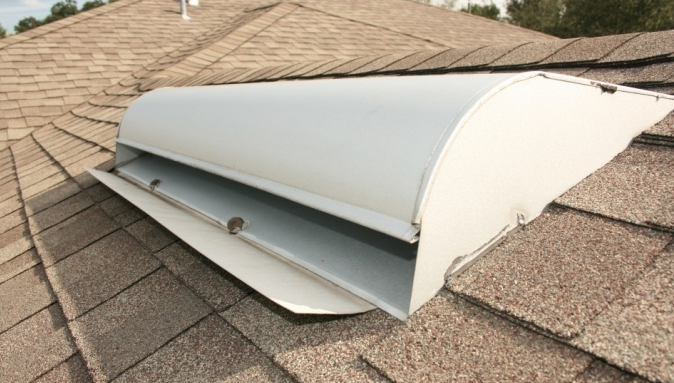
When it comes to maintaining a durable and energy-efficient home in Florida, attic ventilation plays a critical role. At Old Time Roofing, we understand the unique challenges posed by Florida’s hot and humid climate and the importance of a well-ventilated attic in mitigating these issues.

Why Attic Ventilation Matters

Attic ventilation is essential for regulating temperature and moisture levels in your home. In Florida, where summer temperatures can soar and humidity levels remain high, proper attic ventilation helps prevent the buildup of excessive heat. This not only enhances the comfort of your living spaces but also reduces the strain on your air conditioning system, leading to lower energy bills.

Preventing Moisture Damage

Humidity is a persistent challenge in Florida. Without adequate ventilation, moisture can accumulate in the attic, leading to mold growth, wood rot, and damage to insulation. Over time, this can compromise the structural integrity of your roofing system and indoor air quality. Effective attic ventilation helps to expel moist air, thereby protecting your home from these potential hazards.

Extending Roof Lifespan

A poorly ventilated attic can lead to heat buildup that causes roofing materials to deteriorate prematurely. Shingles, for instance, can warp and crack under extreme temperatures, reducing their lifespan. Proper ventilation helps maintain a more stable temperature in the attic, thereby extending the life of your roof and saving you money on repairs and replacements.

Enhancing Energy Efficiency

By reducing the heat trapped in the attic, ventilation can significantly improve your home’s energy efficiency. This means your air conditioning system doesn’t have to work as hard to cool your home, which is particularly beneficial during Florida’s scorching summers.

This post was written by Ted Williams! Ted is the owner of A Old Time Roofing which is the best roofing company in Clearwater! Ted is a Master Elite Weather Stopper GAF Roofing Contractor, a double award winner of Best Steep-Slope Contractor from GAF and achiever of Master Elite Consumer Protection Excellence from GAF. He has been serving the Pinellas County area since 1978. Old Time Roofing has a tradition of quality workmanship, servicing residential and commercial properties.


A fresh coat of paint can do wonders for a space. It’s more than just a cosmetic change; it’s a chance to revitalize your living environment, enhance its functionality, and express your unique style. When it comes to transforming your home’s interior, residential interior painting offers a powerful tool for creating a space you love.

Why Paint Your Home’s Interior?

Beyond the visual refresh, there are several compelling reasons to consider residential interior painting:

  • Boosting Aesthetics: A new coat of paint can instantly elevate the look and feel of any room. The right color choices can create a sense of spaciousness, coziness, or drama depending on your desired ambiance.
  • Improving Mood and Ambiance: Colors have a profound impact on our mood and well-being. Warm colors like yellows and oranges can create an energetic and inviting atmosphere, while cooler blues and greens can promote feelings of tranquility and relaxation.
  • Protecting Walls: Paint acts as a protective barrier for your walls, safeguarding them from dirt, dust, and minor scuffs.
  • Increased Home Value: A fresh coat of paint can significantly enhance the curb appeal and value of your property, especially if you’re planning to sell.

Choosing the Right Paint:

With a vast array of paint types and finishes available, selecting the right one for your project is crucial. Here’s a breakdown of some key considerations:

  • Paint Type: Consider factors like surface type (drywall, plaster, etc.), desired finish (matte, eggshell, satin, gloss), and durability requirements (high-traffic areas might need a more scrubbable paint).
  • Paint Finish: Flat or matte finishes offer a low sheen and hide imperfections well. Eggshell and satin finishes offer a subtle sheen and are easier to clean. Glossy finishes provide the most shine but tend to highlight imperfections.
  • Color Selection: Lighting in your space plays a major role in how color appears. Test paint samples in the room under natural and artificial light to ensure you get the desired effect.

DIY or Hire a Professional?

Residential interior painting can be a rewarding DIY project, especially for smaller spaces. However, for larger projects or those requiring more complex techniques, hiring a professional painter can offer several advantages:

  • Expertise: Professional painters have the knowledge and experience to achieve a smooth, flawless finish.
  • Efficiency: They have the tools and experience to complete the job efficiently, minimizing disruption to your daily life.
  • Safety: For high ceilings or challenging areas, professional painters ensure proper safety procedures are followed.
  • Guidance: They can offer valuable advice on paint selection, color choices, and surface preparation.

Tips for a Successful Residential Interior Painting Project:

  • Plan and Prepare: Thorough planning is key. Clear the space, protect furniture and flooring, and ensure proper ventilation.
  • Surface Preparation: This is crucial for a flawless finish. Fill any cracks or holes, sand down rough surfaces, and clean the walls to remove dust and grime.
  • Taping and Masking: Meticulous taping of trim, baseboards, and doorways ensures crisp lines and prevents paint splatter.
  • Applying Paint: Use smooth strokes and apply even coats for optimal coverage.
  • Clean-up: Promptly clean up spills and drips to avoid staining.

Conclusion:

Whether you choose to embark on a DIY project or hire a professional, residential interior painting can be a transformative experience. By understanding the benefits, choosing the right paint, and following essential tips, you can breathe new life into your home, creating a vibrant and welcoming space that reflects your personality. Remember, a fresh coat of paint is more than just a color change; it’s an opportunity to transform your living environment and express your personal style.


Bed bug bites are infamous for intense itching. These reddish-brown tiny creatures suck human blood. They are nocturnal feeders, so the itching at night can disturb your sleep, leaving you tired and irritable the next day.

How do bedbugs infest your home in Manchester?

These tiny, elusive pests are adept at hitchhiking on belongings like clothes or luggage and gain entry into your home. You may unknowingly transport them from public transport or hotels. These unwelcome guests enter your home via—secondhand furniture purchases. Manchester is a bustling urban center with a high volume of people moving in and out, so the possibility of bed bug transfer is high.

Once inside, they find many places to hide, like mattresses, box springs, and clutter. You will be unable to detect their presence as they feed human blood at night and retreat to their hiding holes daily. Until the day you experience itchy red welts on your skin or your loved one experiences a more pronounced and painful allergic reaction that needs immediate medical care. However, the infestation may have already taken hold when these symptoms are noticed.

Check for bed bugs

Inspect your bedrooms for reddish-brown wingless insects in and around the bed, especially in the folds, sheets, and mattresses. Bed bugs shed exoskeletons, so look for it. Look for eggshells or white eggs and white bed bug larvae. Examine your sheets for rusty or reddish stains caused by their fecal matter or crushed bugs. Inspect the bed frame, headboard, and space between the wall and frame. Thoroughly check the seams, sheet piping, tags, mattresses, and box springs.

If you suspect bed bugs, call professional Pest Control Manchester Services. There are DIY methods, but calling a professional is a more effective solution. If you identified the affected area, make sure to contain the infestation before the professionals arrive. Use bedbug-proof covers if the infestation is in the mattress or box spring. Isolate the affected area by moving the bed further away from the wall.

How do professional pest control services eliminate bed bug infestation?

The first step professionals take is to inspect the infested areas thoroughly. They are well aware of the hiding spots, so they not only examine the bedding, furniture, and based boards but even around the light-boards, thin cracks in the walls, etc. It gives them an idea of infestation.

Based on their findings, the exterminator develops a tailored treatment plan. It may include a combination of methods. Insecticides are commonly used. The chemical is applied to the infested area to kill the bed bugs on contact and provide residual protection against future infestation.

In some situations, the exterminator uses heat treatment. Specialized equipment is used to raise the temperature in infested areas to a level that is lethal to bed bugs but safe for pets and humans. Vacuuming and steaming are essential to remove bed bugs, larvae, and eggs from carpets, furniture, and other surfaces.

Exterminators perform follow-up inspections to ensure complete eradication. If there are any signs of infestation, extra treatment will be needed.

Conclusion

Prevention and prompt action are vital to control bed bug issues. Awareness of infestation signs can lead to early detection and quick, professional treatment. It ensures that all the homes in Manchester are free from irritating bed bug infestation.

When it comes to finding the best artificial grass for your needs, there are several key characteristics to consider. These characteristics will ensure that your artificial turf can withstand heavy foot traffic, maintain a lush and full appearance, last for a long time, remain resilient and springy, have an effective drainage system, boast realistic colors, and offer antimicrobial properties.

1. Can Withstand Heavy Foot Traffic/Use

Choose an artificial grass product that is designed to handle the amount of foot traffic and usage you expect. Consider factors such as children and pets, and how often and in what numbers they will be using the area. Investing in a durable turf product will help ensure its longevity and prevent buyer’s regret down the line.

2. Looks Full & Lush

For a natural and attractive appearance, pay attention to the pile height, thatch, infill, and density of the artificial grass. These elements contribute to the overall lush and full look. Regularly maintaining your artificial turf with a turf rake will help keep it plush, fluffy, and prevent matting.

3. Durable & Long-Lasting

The best artificial grass is made from durable materials that can withstand the elements, including heat, rain, sun, and dust. Choose a product with features that allow it to withstand the specific weather conditions in your area. Artificial turf is designed to handle heavy foot traffic and can last for many years with minimal maintenance.

4. Resilient and Springy

Artificial grass should be resistant to matting and remain in a vertical position when walked on. The fiber structure and infill used in the turf contribute to its resilience and springiness. Consider using TdegCool Evaporative Cooling Infill or rounded silica infill to maintain a cool and springy surface, similar to real grass.

5. Effective Drainage System

Ensure that the artificial turf you choose has a high-quality drainage system. Water and pet urine should be able to flow through the turf and into the subbase beneath. There are two types of drainage systems available: 100% permeable backing and hole-punched backing. The 100% permeable backing allows liquids to pass through at any point on the turf and is suitable for wetter areas or lawns with pets.

Hole-punched backing, with drainage holes every few inches, is best for areas with less excess runoff. Hybrid drainage systems, such as “DUAL Flow,” offer both full permeability and hole-punched features.

6. Realistic Colors

Artificial grass can be customized to resemble different types of natural grass. Take a photo of the grass in a nearby lawn to help you choose the right color and texture for your artificial lawn. This will ensure a realistic and visually appealing result.

7. Antimicrobial Properties

If you frequently have children or pets on your lawn, consider using artificial grass with antimicrobial properties. These products are manufactured with antimicrobial additives, helping to keep your lawn clean and hygienic.

By considering these characteristics, you can find the best artificial grass that meets your specific needs and provides a beautiful, durable, and low-maintenance alternative to natural grass.

This post was written by a professional at Sustainable Turf. Looking for the best playground artificial turf Tampa FL? At Sustainable Turf, we believe in offering sustainable, eco-friendly solutions that benefit both homeowners and the environment. Our artificial grass for playgrounds, homes, and more are designed to provide you with a beautiful, low-maintenance lawn that requires minimal resources to thrive. By choosing our artificial turf, you’ll enjoy a wide range of benefits for years to come. Contact us now for estimate for your sports turf field, residential turf, golf putting turf, and more!

Investing in real estate is an exciting endeavour, and one of the most thrilling prospects is purchasing a brand-new property. A newly constructed home is not just a blank canvas awaiting your unique touch but also presents an opportunity to reap several benefits that older properties might not offer. Let’s delve deeper into the advantages of investing in new homes in North Shore.

Energy Efficiency: The Road to Economical Living

Brand-new residences are typically more energy-efficient than their older counterparts, thanks to advancements in construction technologies and stricter building codes. These homes often incorporate the latest energy-saving appliances, superior insulation, and high-performance windows. The result is a significant reduction in utility costs, which can lead to substantial savings over time. This benefit extends beyond mere cost savings; it also contributes to sustainable living, reducing the carbon footprint of the household.

Warranties: Your Safety Cushion

Newly constructed homes often come with warranties. These cover everything from appliances to structural integrity, offering a safety net for investors. This not only provides peace of mind but also reduces the risk of unexpected repair costs. In essence, these warranties act as a protective shield against unforeseen expenses, ensuring that your investment remains secure and profitable.

Customization: Personalizing Your Space

One of the most appealing features of investing in new construction is the freedom to customize. From choosing the floor plan to selecting finishes, you get to create a space that reflects your taste and lifestyle. This aspect allows you to design a home that caters to your specific needs and preferences, making it not just a house, but truly your home.

Long-term Cost Savings: A Smart Financial Choice

Over time, a new construction can prove to be a better financial choice. With less maintenance and repair needs compared to older houses, you can enjoy long-term cost savings. Newly constructed homes are built using the latest materials and techniques, reducing the likelihood of frequent repairs, and thereby saving you money in the long run.

Building Equity: A Stepping Stone to Wealth Creation

Owning a property is a great way to build equity. This equity can then be used to finance other investments, making a brand-new home a stepping stone to diversifying your investment portfolio. As you pay off your mortgage and as the value of your property increases, so does your equity. This equity can prove invaluable in aiding future financial goals.

Steady Cash Flow and Appreciation: An Investment Powerhouse

Real estate investment is renowned for providing steady cash flow and substantial appreciation. Investing in new construction can offer competitive risk-adjusted returns. If you choose to rent out your property, you can enjoy a steady stream of income. Moreover, these properties, especially new ones, tend to appreciate over time, enhancing the overall returns on your investment.

Financial Stability: A Pillar of Security

Owning a brand-new property provides greater financial stability. It eliminates the monthly rent expense while potentially increasing your net worth over time. This aspect provides a sense of security and control over your living situation that renting cannot offer.

Tax Benefits: Maximizing Your Investment Returns

Lastly, investing in real estate, particularly rental properties, offers several tax benefits. These include the ability to deduct insurance, depreciation, and mortgage interest, which can significantly enhance your investment’s profitability. These deductions can result in substantial tax savings, further maximizing the returns from your investment.

In conclusion, investing in brand-new residences offers numerous advantages. From energy efficiency and warranties to customization and long-term savings, these benefits make investing in new homes in North Shore a compelling proposition. But it’s not just about owning a home; it’s about making a sound investment that provides financial stability, equity building, and potentially lucrative returns. So, if you’re considering real estate investment, a brand-new residence could be the perfect choice for you.

Dimmable Lighting: Install dimmer switches or use candles to create soft, ambient lighting. This can instantly create a romantic and intimate atmosphere in your bathroom unit.

Freestanding Bathtub: A luxurious freestanding bathtub can be the centerpiece of your romantic bathroom. Opt for a clawfoot tub or a modern soaking tub for a touch of elegance and relaxation.

Fireplace: If you have the space and budget, consider adding a fireplace to your bathroom. The warm glow and crackling sound of a fire can add a cozy and romantic ambiance.

Soft Color Palette: Opt for soft and soothing colors in your bathroom unit. Pastel shades like light blue, pale pink, or lavender can create a calming and romantic atmosphere.

Romantic Wall Art: Hang romantic artwork or framed love quotes on the walls of your bathroom. This can add a personal touch and create a romantic focal point.

The Secret of Successful BATHROOM UNIT

Functionality: A bathroom unit should serve its purpose effectively. Consider the essential elements such as a sink, toilet, shower/bathtub, and storage space. Ensure that these elements are well-placed and convenient to use. Pay attention to the quality of fixtures, faucets, and other hardware to ensure they function properly and have a long lifespan.

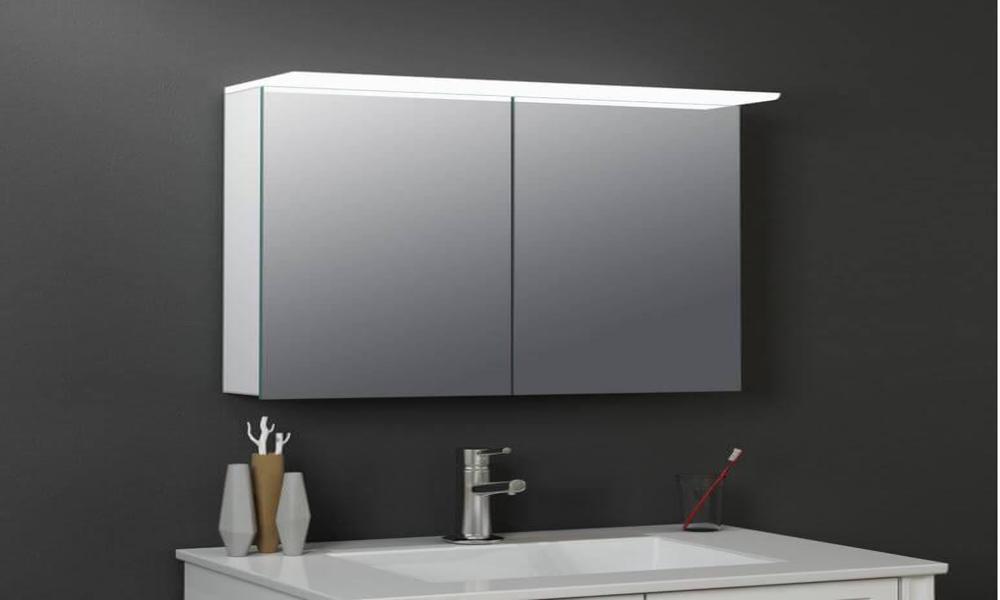
Storage: Ample storage is crucial in a bathroom unit to keep it organized and clutter-free. Incorporate cabinets, shelves, or drawers to store toiletries, towels, cleaning supplies, and other bathroom essentials. Utilize vertical space and opt for clever storage solutions such as built-in niches or wall-mounted storage units.

Durability: Bathrooms are exposed to moisture and humidity, so it’s essential to choose materials that are durable and resistant to water damage. Consider materials like ceramic tiles, porcelain, or moisture-resistant laminates for flooring and walls. Ensure that fixtures and hardware are of high quality to withstand regular use.

Ventilation: Proper ventilation is essential to prevent mold, mildew, and odors in the bathroom. Ensure your bathroom unit has adequate ventilation options like windows, exhaust fans, or ventilation systems. Good airflow helps maintain a fresh and dry environment, prolonging the life of your bathroom unit.

The BATHROOM UNIT That Wins Customers

Functionality: Customers prioritize practicality and functionality in a bathroom unit. Ensure that your unit is designed to maximize space utilization, with ample storage options for toiletries, towels, and other bathroom essentials. Incorporate features such as well-placed hooks, shelves, drawers, and cabinets to enhance organization and ease of use.

Aesthetics: The visual appeal of your bathroom unit plays a crucial role in attracting customers. Consider current design trends and create a unit that complements various bathroom styles. Use high-quality materials, attractive finishes, and appealing colors to make the unit visually appealing and versatile enough to fit into different interior themes.

Energy Efficiency: In today’s environmentally conscious world, energy-efficient solutions are highly valued. Incorporate water-saving features, such as low-flow faucets and toilets, to minimize water consumption. Include LED lighting or other energy-efficient lighting options to reduce electricity usage. These eco-friendly features can make your bathroom unit more appealing to customers.

Smart Technology Integration: Integrate smart technology features into your bathroom unit to enhance the overall experience. This could include sensor-activated faucets, automatic lighting systems, temperature-controlled showerheads, or smart mirrors with built-in displays. Incorporating such features can add a modern touch and provide convenience to customers.